
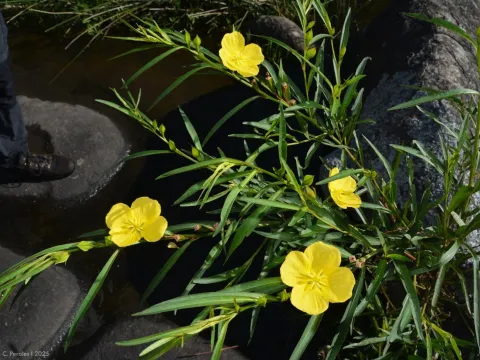
Ludwigia longifolia
Ludwigia longifolia
Propagation of Ludwigia longifolia is primarily achieved through stem cuttings, which is the most effective method for both aquarium and greenhouse cultivation. The best time to take cuttings is during the active growth phase, typically in spring or early summer.
What the section contains
Ludwigia longifolia
To propagate successfully, select healthy stems approximately 10-15 cm long, ensuring they have several developed nodes. Plant the cuttings directly into a nutrient-rich substrate, providing them with a stable and moist environment for root development.
Seed propagation is uncommon due to the complex requirements for germination, including high humidity and precise temperature control. If attempted, seeds should be surface-sown on moist substrate without being buried.
When planting in aquarium or paludarium setups, spacing is crucial to prevent competition for light and nutrients. Keeping a distance of at least 5-8 cm between individual plants ensures healthy leaf rosettes and better airflow.
Young plants require an adaptation period where light duration is gradually increased. Over a period of two weeks, the photoperiod should be extended from 6 hours to 10-12 hours to promote robust development without stressing the plant.
Ludwigia longifolia is a member of the Onagraceae family, native to tropical regions of South America. It thrives in humid environments, typically occupying marshes, wetlands, and shallow water margins where the soil remains consistently damp.
Intense lighting is the most important requirement for this species. Bright, direct light is necessary to maintain the plant's characteristic vibrant foliage and to prevent the stem from becoming leggy and unattractive.
The plant prefers nutrient-rich, slightly acidic soil or aquatic substrates. Ensuring good circulation of water or nutrient solution around the root zone is essential to prevent anaerobic conditions and support nutrient uptake.
A stable temperature range of 20-28 degrees Celsius is ideal for this tropical species. Sudden fluctuations in temperature should be avoided, as they can cause significant growth stunting or leaf abscission.
Regular fertilization is required, with a particular focus on iron supplementation to ensure vivid leaf coloration. In aquatic environments, CO2 injection is highly recommended to stimulate active photosynthesis and rapid growth.
When grown in emersed conditions, Ludwigia longifolia is susceptible to pests such as aphids and spider mites, which target the tender new growth. Integrated pest management, including biological controls or appropriate insecticides, should be used.
Poor air circulation and excessive humidity can lead to fungal infections, including powdery mildew and gray mold. Improving ventilation in the growing area is the most effective preventive measure against these pathogens.
Nutrient imbalances in the substrate or water column often manifest as chlorosis, where leaves yellow while veins remain green. Regular water testing and adjusted fertilization regimens are necessary to correct these deficiencies.
Algae proliferation in aquariums can severely impact the health of Ludwigia by blocking light and absorbing nutrients. Maintaining a balanced ecosystem with appropriate water parameters is essential to limit algal growth.
Root rot can occur if the substrate becomes too compacted, preventing oxygen from reaching the roots. Using a porous, well-draining substrate mix is critical for maintaining long-term root health in container-grown plants.