
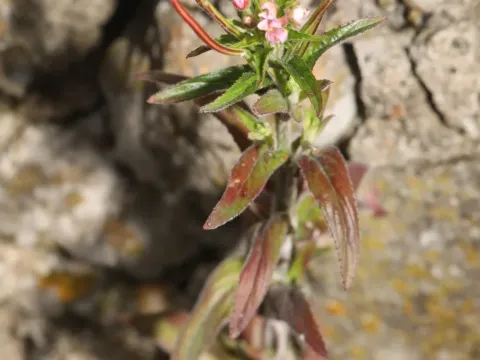
Small-flowered willowherb
Epilobium parviflorum
Small-flowered willowherb (Epilobium parviflorum) is a perennial herbaceous plant belonging to the Onagraceae family. In agricultural settings, it is valued for its medicinal properties and can be propagated both by seeds and root division.
What the section contains
Small-flowered willowherb
Sowing typically occurs in late autumn or early spring. The seeds are extremely small, requiring surface sowing with very light soil covering to ensure they receive sufficient light for germination, which is a critical factor for success.
When establishing a plantation, row spacing should be maintained between 45 and 60 cm. This spacing is optimal for ensuring healthy plant development while allowing room for mechanical weed control, which is necessary during the early stages of establishment.
During the first year, the crop focuses on establishing a strong root system and a basal rosette of leaves. The plant reaches its peak yield capacity in its second and third years when it produces abundant flowering stems.
Natural dispersal occurs through wind-borne seeds, but in managed agriculture, uniform sowing density is achieved through specialized seeding equipment or hand sowing on prepared, moist seedbeds.
This species thrives in moist, well-drained soils, often found near wetlands or riverbanks. It prefers neutral to slightly acidic soil compositions that are rich in organic matter to support vigorous growth.
The plant is light-loving and performs best in open locations. While it can tolerate partial shade, maximum levels of active medicinal compounds are typically synthesized when the plant receives full sun exposure throughout the day.
Epilobium parviflorum is highly winter-hardy and adapts well to various temperate climates. Its perennial nature allows it to survive freezing temperatures, provided the soil drainage is sufficient to prevent winter waterlogging of the roots.
Routine cultivation involves managing weed pressure, particularly in the first year. Once established, the plant's aggressive root system allows it to compete effectively against surrounding vegetation, reducing the need for constant maintenance.
Water management is the most critical agronomic factor. The crop requires a consistent water supply during the vegetative stage, and drought stress must be avoided to prevent early flowering and reduced leaf biomass.
Leaf-eating beetles are among the primary pests that can impact biomass production. Integrated pest management strategies, focusing on biological controls, are preferred to maintain the organic quality of the harvested medicinal material.
Rust fungi represent a significant threat, especially in humid and stagnant air conditions. Promoting air circulation by avoiding overcrowding in rows is the most effective preventative measure against the spread of fungal spores.
Root rot occurs if the soil becomes waterlogged or overly compacted. Implementing proper drainage systems and avoiding low-lying areas prone to flooding are essential for long-term plantation health.
Aphid infestations can occur on young, succulent shoot tips, potentially hindering flower development. Monitoring for early signs of aphids allows for targeted treatment before the damage becomes widespread.
Powdery mildew may affect the foliage during the late summer, particularly when days are hot and nights are cool and damp. Prompt removal and disposal of infected plant material helps limit the disease cycle.
The harvest should take place during the peak of the flowering period, which is when the concentration of essential phytonutrients and anti-inflammatory compounds is at its highest for therapeutic use.
The aerial parts of the plant are harvested, typically leaving 10–15 cm of the stem above the ground. This practice ensures that the plant has enough energy reserves to regenerate for subsequent harvests in following seasons.
Post-harvest processing requires immediate drying in shaded, well-ventilated areas. Controlled drying at temperatures not exceeding 40°C prevents the degradation of delicate active ingredients and preserves the herb's natural color.
Once dried, the herb is processed into the desired particle size and packaged. Proper storage in a cool, dark, and dry environment is crucial to maintain the potency of the herbal material for up to two years.
Commercially, the crop is primarily used in the production of herbal supplements aimed at supporting urological health, making it an increasingly popular choice for specialized medicinal herb farms.