
Sundrops
Oenothera perennis
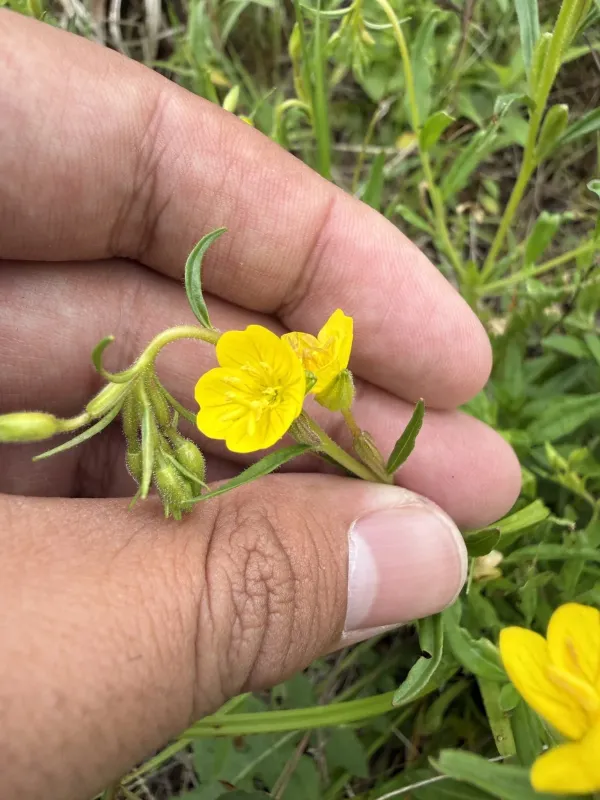
Description
Sowing dates
The sowing of Oenothera perennis is best performed in early spring or autumn, ensuring the seeds are placed on the soil surface as they require light to germinate.
If utilizing indoor seed trays, maintain a temperature of 20 degrees Celsius to achieve optimal germination rates within two to three weeks of initial sowing.
Transplanting seedlings into the permanent site should occur only after the risk of frost has passed to prevent stunted growth and physiological stress.
Ensure that the planting rows are spaced approximately 30 to 40 centimeters apart, allowing for sufficient root space and adequate sunlight penetration.
Propagation by division is a highly effective method for established plantings, performed every few years in early spring before the start of active vegetation.
Growing requirements
Oenothera perennis thrives in well-drained, sandy or gravelly soils, as it is highly susceptible to root damage caused by excessive water accumulation.
The plant demonstrates excellent performance in full sun environments, which are essential for its vigorous growth and the development of high-quality blossoms.
While known for its drought tolerance, the culture responds well to supplemental watering during dry spells, which helps maintain plant vigor throughout the season.
Fertilization with a balanced, low-nitrogen compound is recommended to prevent excessive vegetative growth at the expense of potential floral development.
The plant is hardy and adapts well to various soil pH levels, making it a versatile choice for low-maintenance agricultural or landscape projects.
Main diseases and pests
Powdery mildew is a common concern, especially in humid conditions where air circulation is restricted around the dense foliage of the plant.
Root rot pathogens thrive in compacted or waterlogged soils, necessitating the selection of sites with superior drainage capabilities to prevent crop loss.
Aphids and spider mites are typical pests that infest the tender new growth, requiring consistent monitoring and prompt intervention when thresholds are exceeded.
Implementing a proper crop rotation strategy and ensuring sufficient spacing between plants can significantly reduce the pressure from these biotic stressors.
If chemical interventions are necessary, apply them in the early morning or evening to minimize risks to beneficial pollinators attracted to the flowers.