
Red-stem evening primrose
Oenothera rubricaulis
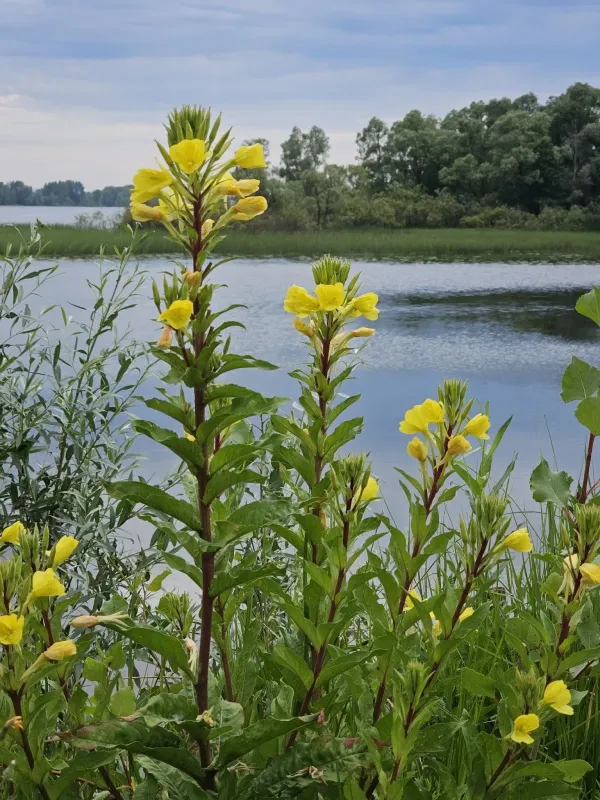
Description
Sowing dates
Sowing of Oenothera rubricaulis is best performed either in late autumn or early spring. Autumn sowing allows the seeds to undergo natural stratification in the soil, which promotes more uniform germination when the temperatures rise in the spring.
Spring sowing requires careful seedbed preparation, as the seeds are extremely small. They should be sown at a shallow depth of 0.5 to 1 centimeter to ensure they receive sufficient light and moisture necessary for successful emergence.
When grown as a field crop, row spacing is typically maintained between 45 and 60 centimeters. This provides adequate space for plant nutrition and allows for mechanical weeding, which is essential during the early stages of slow seedling development.
The seeding rate depends on seed quality and germination percentage. On average, growers use 2 to 4 kilograms of seeds per hectare to ensure an optimal plant density and high biomass yield for seed production.
Using precision seeders helps significantly reduce seed waste and avoids overcrowding, which is vital for the development of robust, high-yielding reproductive stems. Quality cleaning and calibration of seeds prior to sowing are recommended practices.
Growing requirements
Oenothera rubricaulis, belonging to the Onagraceae family, is a relatively undemanding crop. While it can adapt to various soil types, it thrives best in light, sandy, or loamy soils that offer excellent drainage, preventing root rot.
As a sun-loving plant, evening primrose requires full sun exposure to flourish. Planting in shaded areas will significantly delay growth, resulting in fewer flower stalks and reduced overall seed production at the end of the season.
The crop shows moderate requirements for water. It is known for its drought resistance; however, supplemental irrigation during critical growth phases, such as flowering and fruit set, can drastically improve yields in drier regions.
The application of phosphorus and potassium fertilizers is beneficial for strengthening stems and improving seed formation. Nitrogen fertilizers should be used with caution to avoid excessive vegetative growth that may hinder reproductive development.
The plant demonstrates high cold hardiness and can successfully overwinter in temperate climates. Ensuring that the soil does not remain waterlogged during winter is the primary condition for plant survival and healthy spring regrowth.
Yield
The yield of Oenothera rubricaulis is highly dependent on proper agronomic management and favorable weather conditions during the growing cycle. With intensive care, it can produce significant quantities of seeds rich in valuable fatty acids.
The primary economic value of this crop lies in the oil extracted from its seeds, which contains high concentrations of gamma-linolenic acid. This chemical composition makes it a highly sought-after raw material for the pharmaceutical and cosmetic industries.
The overall yield per hectare depends on the number of well-developed seed pods per plant. Under optimal growing conditions, each plant produces numerous pods, contributing to a reliable harvest that justifies the cost of cultivation.
Insect pollinators play a crucial role in crop productivity. Since evening primrose blooms during the evening and night, the presence of specific pollinators like moths is essential for successful fertilization and the subsequent formation of viable seeds.
Weed control during the first month of vegetation is critical for high yields. Plants that grow in clean, weed-free environments are much more resilient to environmental stressors and ultimately produce higher-quality seed lots.
Main diseases and pests
Oenothera rubricaulis possesses good natural resistance to most agricultural diseases. However, in overly humid or waterlogged conditions, root rot can occur, which might significantly reduce the stand density if left unchecked during the seedling stage.
Pests such as aphids and various foliage-eating insects can pose a threat to the young leaves and shoots. Regular field monitoring is essential to detect early infestations and allow for the timely application of protective measures.
Powdery mildew may develop in dense, poorly ventilated plantings. Maintaining proper row spacing and thinning where necessary are the most effective cultural methods for preventing the spread of this common fungal infection.
While chemical pesticides may be used when necessary, practitioners must be mindful of environmental regulations and pre-harvest intervals, especially because the plant is often intended for use in health-related industries.
Weeds are the primary competitor during the early growth stages. Mechanical cultivation between rows and manual weeding within rows ensure the crop can establish its root system quickly, allowing it to suppress weeds independently as it matures.
Harvesting
Harvesting Oenothera rubricaulis requires precision timing to maximize seed quality. Because seed pods ripen unevenly, harvesting should begin when the majority of pods have turned brown but before they begin to shatter or drop their seeds.
A two-stage harvesting method is often the most effective. The crop is cut and windrowed to allow for uniform ripening and drying in the sun, which facilitates easier threshing and lower moisture content in the final seed batch.
Threshing is performed using combine harvesters with settings adjusted to prevent damage to the small seeds. Preserving the integrity of the seed coat is vital to ensure the quality of the oil extracted during industrial processing.
Post-harvest drying is mandatory. Storing seeds with high moisture levels leads to the degradation of the valuable oil and a significant loss of germination vigor. Active ventilation is typically used to safely reduce moisture content.
The final step includes cleaning the seed on industrial separators to remove impurities. Once cleaned, the seeds are packaged in breathable bags to maintain optimal conditions during storage and transport to the processing facility.