
Square-stalked willowherb
Epilobium tetragonum
Description
Growing requirements
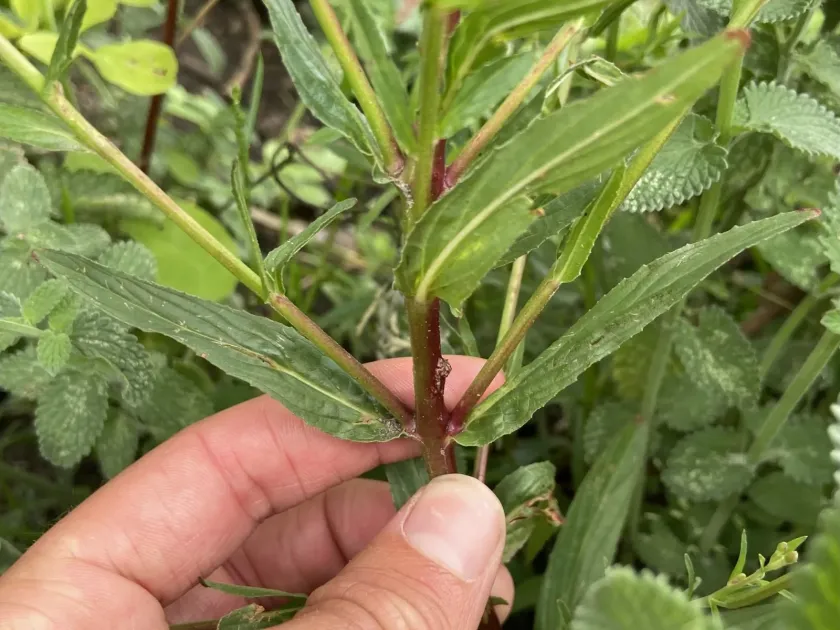
Square-stalked willowherb (Epilobium tetragonum) is a perennial herbaceous plant belonging to the Onagraceae family. It is widely recognized by its distinct four-angled stems, which distinguish it from other related species in the field.
Botanically, the plant features lanceolate or oblong leaves with serrated margins. It typically grows in moist habitats, including agricultural fields, riverbanks, and marshy meadows, where the soil moisture remains consistently high.
The plant thrives in nutrient-rich soils, particularly those high in nitrogen. Its presence in agricultural fields often indicates poor drainage or moisture-retaining soil conditions, making it an ecological indicator for farm managers.
Climatic preferences include temperate conditions. While it is quite hardy, it lacks high drought tolerance, which explains why its distribution is primarily restricted to damp, low-lying areas of agricultural landscapes.
In terms of agricultural utility, it is classified as a troublesome weed. It competes with crops for water, light, and soil nutrients, often requiring active management to prevent yield suppression in commercial farming operations.
Main diseases and pests
Pathogenic fungi represent the primary disease threat to this species. Rust infections, common in moist microclimates where the plant grows, can cause significant damage to foliage and limit the overall growth of the weed populations.
Insect pests, including various aphids and foliage-feeding beetles, frequently inhabit the plant. These insects can cause cosmetic and physiological damage and may serve as secondary carriers of viral pathogens affecting nearby crops.
Integrated weed management is the most effective approach for controlling this species. Focus should be placed on improving field drainage and preventing the weed from flowering and setting seeds in neighboring wasteland areas.
Chemical control involving selective herbicides is used in cases of high infestation levels. It is crucial to apply these treatments during the early growth stages to maximize efficacy and minimize the impact on soil health.
Cultural practices such as deep tillage and rotation of crops can help suppress the spread of square-stalked willowherb. Monitoring is recommended to ensure that small patches do not expand and impact the productivity of the main harvest.