
Seedbox
Ludwigia alternifolia
Description
Growing requirements
Ludwigia alternifolia, commonly known as Seedbox, is a perennial herbaceous plant belonging to the Onagraceae family. Originating from North America, it is naturally adapted to moist soil conditions, typically thriving in marshes, swamps, and along wet streambanks.
The cultivation of this plant requires consistent moisture levels, as it is classified as a hydrophytic or semi-aquatic species. It performs best in full sun, where the abundance of light facilitates vigorous growth and a more prolific flowering period during the summer months.
Regarding soil requirements, the plant prefers rich, acidic to neutral, organic-heavy soils that retain water well. Proper drainage is essential despite its affinity for moisture, as stagnant water without any movement can encourage pathogen proliferation in the root zone.
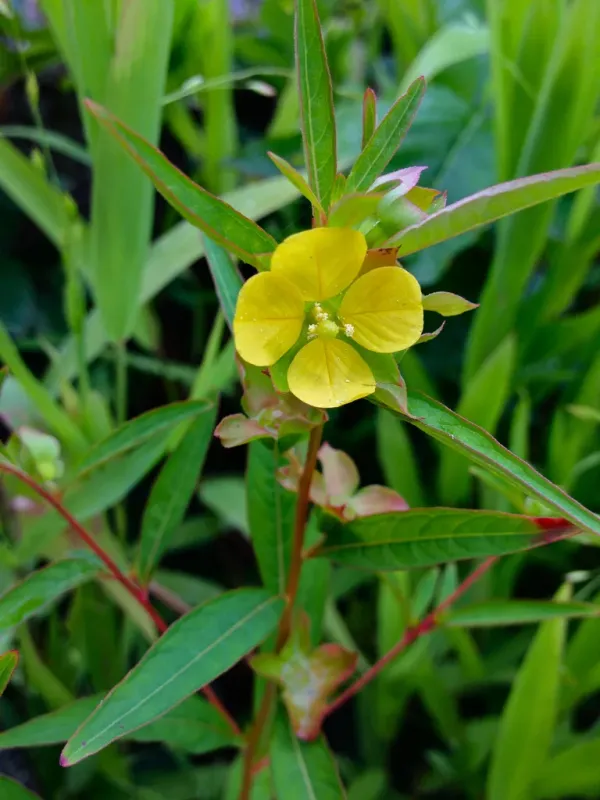
Botanically, it is characterized by its erect, branching stems and alternating leaves, giving it a unique structure compared to other species in the genus. The small, yellow, four-petaled flowers develop in the leaf axils, eventually maturing into square-shaped fruit capsules.
In landscape management, spacing is crucial to ensure adequate airflow between plants. Proper maintenance includes thinning out dense stands to prevent the buildup of humidity at the base of the stems, which is essential for maintaining plant vigor.
Main diseases and pests
The primary threats to Ludwigia alternifolia include fungal infections such as leaf spots and powdery mildew, which thrive in humid environments with poor air circulation. These diseases can significantly reduce the ornamental value of the planting.
Pests like aphids and spider mites may occasionally infest the foliage, particularly if the plant is stressed by fluctuating water levels or intense heat. Integrated pest management strategies are recommended to keep populations in check without harming the ecosystem.
Root rot is a significant concern if the growing medium becomes anaerobic due to extreme waterlogging. Monitoring the soil texture and ensuring a balanced nutrient profile are effective ways to protect the plant from such physiological stressors.
Nutrient deficiencies, particularly involving micronutrients, can lead to chlorosis. This condition often presents as yellowing between the veins of the leaves, signaling an urgent need for soil amendment adjustment to restore the plant's health.
Environmental stress from extreme temperature fluctuations can weaken the plant's resistance, making it more susceptible to opportunistic pathogens. Protecting the plants during unseasonable frosts or intense heat waves is a vital part of the annual care cycle.