
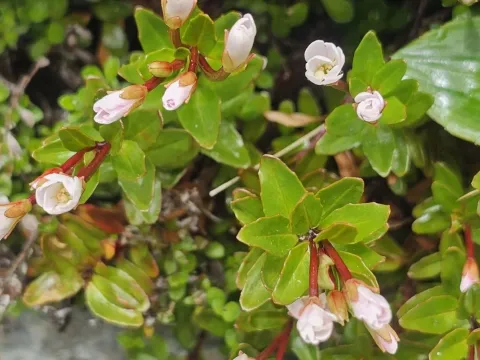
Smooth willowherb
Epilobium glabellum
Sowing of Epilobium glabellum should be performed in early spring once the danger of hard frost has passed. The seeds are small and require light placement on the soil surface, as they need light for optimal germination; they should not be buried deeply.
What the section contains
Smooth willowherb
To ensure uniform emergence, it is recommended to maintain constant soil surface moisture during the initial three weeks. Covering the seedbed with a fine layer of compost or using a greenhouse environment can significantly improve success rates in cooler regions.
For commercial production, a row spacing of 40 to 50 centimeters is advised to facilitate weed control and allow for adequate airflow. This spacing minimizes the risk of humidity-related fungal issues that can affect dense plantations.
Propagation via division of mature clumps is an effective alternative to seeding for maintaining genetic purity. This process is best performed during the dormant season, either in early spring or late autumn, to reduce transplant shock.
Seedlings develop slowly during the initial growth phase, requiring diligent management of competition from weeds. Once established, the plants will form robust, spreading root systems that effectively occupy the designated area.
Smooth willowherb is a member of the Onagraceae family, native to the alpine and temperate landscapes of New Zealand. The crop thrives in well-lit environments but is adaptable enough to perform well in areas with partial afternoon shade.
It prefers well-drained, sandy loam soils with a neutral to slightly acidic pH. Waterlogging is detrimental to this species; therefore, high-quality drainage is a critical requirement for successful large-scale cultivation on heavy clay soils.
The plant demonstrates moderate water needs but appreciates consistent moisture during periods of active vegetative growth. Drip irrigation systems are highly recommended to provide precise water delivery directly to the root zone without wetting the foliage.
This species shows good winter hardiness in temperate climates, provided that the soil is not overly saturated, which can lead to crown rot. Applying a light layer of mulch around the base of the plants in late autumn can offer essential protection from temperature fluctuations.
Soil nutrient management should focus on balanced NPK applications in the spring. Avoiding excessive nitrogen is crucial, as too much vegetative growth can weaken the stems and increase susceptibility to pests and environmental stress.
Leaf-eating insects, particularly certain lepidopteran larvae, represent a significant threat to the foliage. Biological control agents or targeted organic insecticides are preferred methods to maintain crop health without harmful chemical residues.
Powdery mildew is the most common fungal ailment for this crop, especially in conditions of poor air circulation and high humidity. Proactive spacing and the removal of affected leaves are the primary defenses against this pathogen.
Root rot caused by stagnant water or pathogens like Phytophthora is a major risk for young plants. Improving drainage and ensuring that plants are not overcrowded are essential preventative steps for a healthy plantation.
Aphids can infest the tender new growth of the shoots, leading to stunted development and leaf curling. Regular field inspections are necessary to catch infestations early, allowing for spot treatment with insecticidal soaps if needed.
Maintaining high phytosanitary standards is essential for long-term productivity. Removing crop debris after harvest and practicing consistent crop rotation can help disrupt the life cycles of common willowherb pests and diseases.
Harvesting the aerial parts of Epilobium glabellum for herbal or ornamental use is optimal during the peak flowering stage. At this time, the concentration of secondary metabolites in the leaves and flowers is at its highest point.
The stems should be cut cleanly using disinfected tools to prevent the transmission of diseases. Harvesting during the early morning hours, after dew has evaporated but before the heat of the day, helps preserve the quality of the raw material.
Post-harvest drying must occur in a well-ventilated, shaded environment. Maintaining temperatures below 40 degrees Celsius prevents the degradation of volatile compounds and keeps the harvested material from losing its color and potency.
For seed production, harvest the capsules once they show a color change to brown but before they naturally split. After harvesting, store them in dry, breathable conditions to complete the curing process before cleaning the seeds.
At the end of the season, cutting back the plants to a height of approximately 5-10 centimeters promotes healthy regrowth in the following year. This practice helps to clear away dead matter and encourages stronger, more vigorous shoots in the spring.