
Roundleaf willowherb
Epilobium rotundifolium
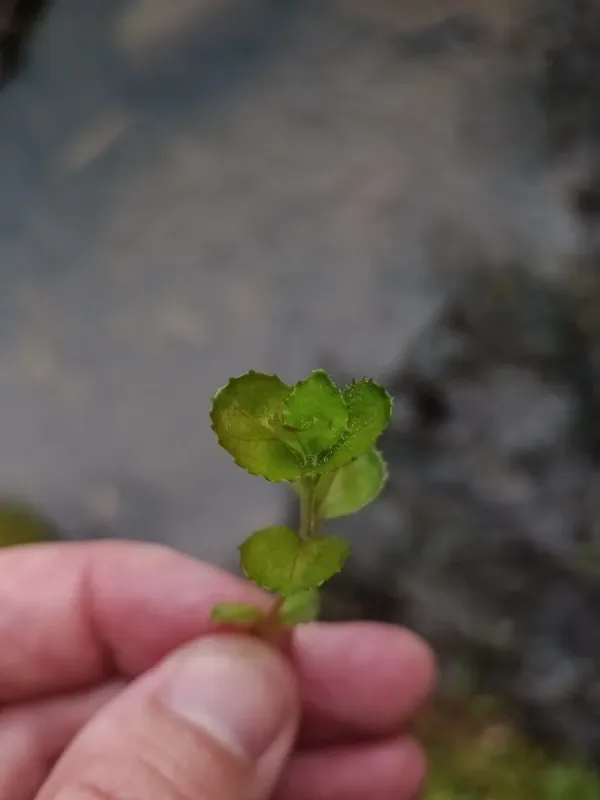
Description
Growing requirements
Roundleaf willowherb (Epilobium rotundifolium) is a perennial herbaceous plant classified within the Onagraceae family. It is characterized by its distinct rounded leaf morphology and a robust growth habit that distinguishes it from related willowherb species.
The plant thrives in cool to temperate climates, showing a strong preference for well-drained, moist soils that are rich in organic matter. It is highly adaptable to various soil types, provided that the drainage remains efficient to prevent waterlogging.
Agricultural success depends on providing adequate sunlight, although partial shade is recommended during intense summer heat to prevent moisture stress. Constant soil moisture management is critical for the development of healthy, dense leaf growth.
Good agricultural practices for this crop involve maintaining soil aeration through regular shallow cultivation. Nitrogen-based fertilization applied early in the spring supports vigorous foliage growth, which is essential for maximizing biomass yields.
Historically and economically, this species is valued for its potential use in herbal medicine and decorative gardening. Its resilience makes it an attractive candidate for sustainable agricultural projects in northern or mountainous regions.
Main diseases and pests
The crop is prone to powdery mildew, especially in environments with high humidity and poor air circulation. This fungal disease can severely compromise leaf quality, reducing the overall market value of the harvested raw material.
Aphid infestations present a significant challenge, as these insects target succulent terminal shoots. Their feeding can cause stunted growth and transmit viral diseases, requiring diligent scouting and rapid intervention strategies.
Leaf-chewing larvae can also impact production, potentially defoliating large portions of a plot if left unchecked. Integrated pest management (IPM) is strongly advised to maintain healthy yields without relying heavily on chemical inputs.
Root rot, driven by stagnant water in the soil, remains a major risk factor during the dormant season or during periods of excessive rainfall. Proper drainage design is the primary defense against such physiological and pathological threats.
Regular sanitation, such as the removal of debris and infected plant tissues after the harvest, is essential for reducing the inoculum load for the following season and ensuring long-term plantation health.