
Stalked willowherb
Epilobium pedunculare
Description
Growing requirements
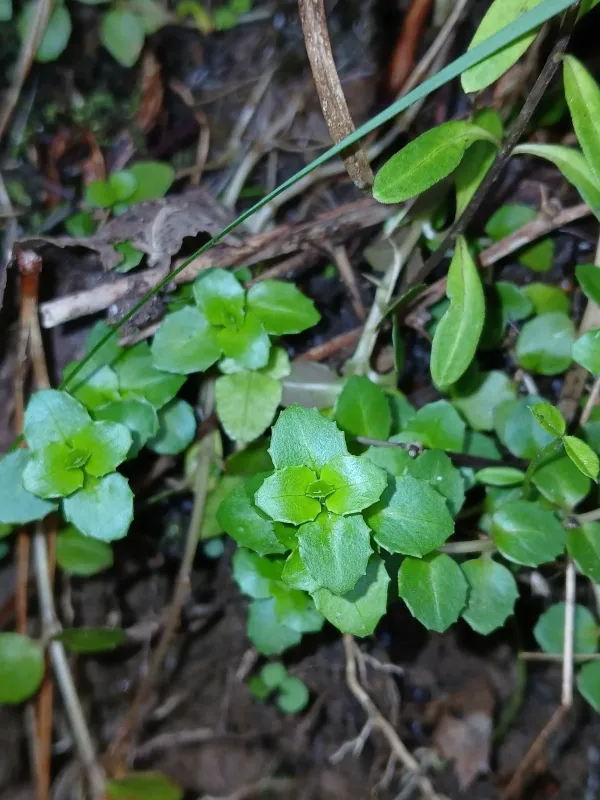
Stalked willowherb (Epilobium pedunculare) is a perennial plant belonging to the Onagraceae family. Originally native to New Zealand, this species is highly valued for its creeping habit and ability to form dense, ground-hugging mats.
The plant features small, opposite leaves that often display bronze or reddish tones, providing significant aesthetic value. It spreads via prostrate stems that root at the nodes, making it an effective ground cover in moist garden conditions.
In terms of climate requirements, this plant thrives in cool, temperate environments with consistent moisture levels. It prefers partial shade, which prevents the foliage from scorching during intense mid-day heat while maintaining soil humidity.
Soil structure should be loose, organic, and well-drained to support healthy root systems. While it loves moisture, stagnant water must be avoided to prevent root diseases; therefore, incorporating sand or grit into the soil is recommended.
Agricultural management involves routine watering during dry spells and occasional nutrient application. Proper spacing is necessary to allow for horizontal spread while minimizing competition from invasive weeds.
Main diseases and pests
Fungal diseases like powdery mildew pose a risk, particularly in environments with poor airflow or excessively humid conditions. Regular monitoring of the leaf surface helps identify early symptoms for prompt treatment.
Slugs and snails are the most common pests, as they are attracted to the succulent foliage of the plant. Using physical barriers or bait is often necessary to prevent severe damage to the spreading mats.
Root rot is a frequent concern when the plants are established in poorly drained soils. Improving soil aeration through proper cultivation methods is the best preventative measure against this threat.
Aphids can colonize the young, tender growth of the willowherb, extracting sap and weakening the plant. Integrated pest management, including natural predators or specific insecticides, is recommended.
Weed competition is a significant threat due to the plant's relatively low growth height. Maintaining a weed-free perimeter around the planting area is essential for the healthy establishment and expansion of the colony.