
Threadleaf evening primrose
Oenothera linifolia
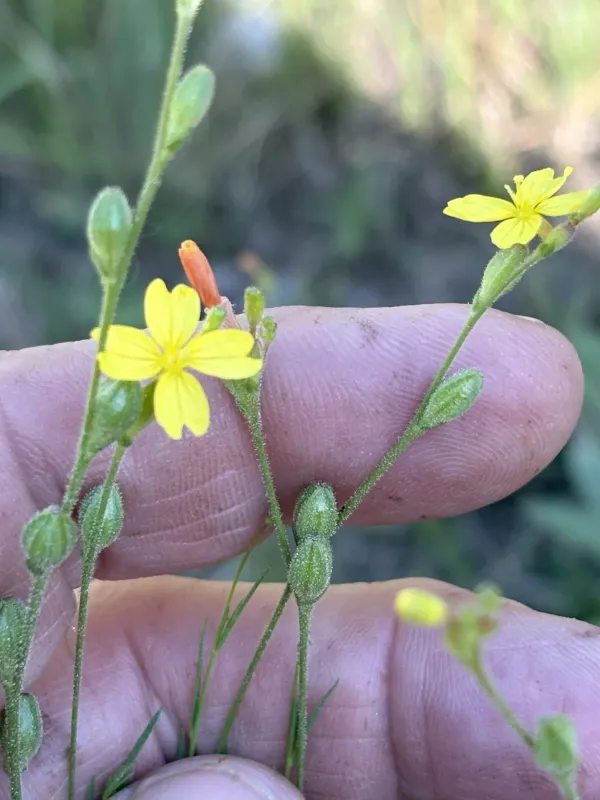
Description
Sowing dates
Threadleaf evening primrose (Oenothera linifolia) belongs to the Onagraceae family. It is an attractive annual herb that is typically sown in early spring, as soon as soil temperatures reach approximately 10-12 degrees Celsius.
For direct seeding, select sunny locations with well-draining soil. Seeds should be sown shallowly, ideally at a depth of 0.5–1 cm, as they require some light for optimal germination and are very small in size.
For earlier flowering, the culture can be started indoors in trays or pots during March. Use a light, peat-based growing medium and maintain consistent moisture until seedlings emerge and develop true leaves.
Transplanting into the open field should be performed only after the risk of frost has passed. Threadleaf evening primrose recovers well if the root system is handled with care during the transplanting process.
In commercial settings, maintaining proper spacing is essential to ensure adequate airflow around the plants. This practice helps prevent moisture buildup and reduces the risk of common fungal diseases.
Growing requirements
This crop thrives in light, sandy, or loamy soils. Excellent drainage is the most critical requirement for successful cultivation, as the plant is highly susceptible to root damage in waterlogged conditions.
The plant exhibits remarkable drought tolerance, making it a suitable candidate for xeriscaping or regions with limited water availability. It can even perform well in nutrient-poor soils where other crops struggle.
The optimal pH range for growth is between 6.0 and 7.0. Over-fertilization, especially with high-nitrogen fertilizers, should be avoided as it encourages excessive vegetative growth at the expense of floral production.
Full sun is required for proper development. In shaded environments, plants tend to become "leggy," producing fewer flowers and stems that are more prone to bending or lodging under wind pressure.
Periodic application of balanced, low-dose fertilizers containing phosphorus and potassium can enhance root development and support long-lasting blooms throughout the active growing season.
Main diseases and pests
Aphids and spider mites are the most common pests affecting this species. They often attack during hot, dry periods, potentially causing significant foliage damage if not addressed promptly.
Root rot remains the most significant threat to the health of the plants, usually resulting from improper drainage or over-watering. Maintaining a strict irrigation schedule is vital for disease prevention.
Powdery mildew may occur when humidity levels are high and temperatures fluctuate significantly. Using appropriate bio-fungicides or improving airflow can mitigate the spread of this fungal condition.
Various lepidopteran larvae may occasionally feed on the foliage and buds. Integrated pest management, including regular scouting, is recommended to determine if chemical intervention is necessary.
Following a crop rotation plan is an effective way to manage soil-borne pathogens. Avoid planting Oenothera in the same area for several consecutive seasons to ensure long-term soil health.