
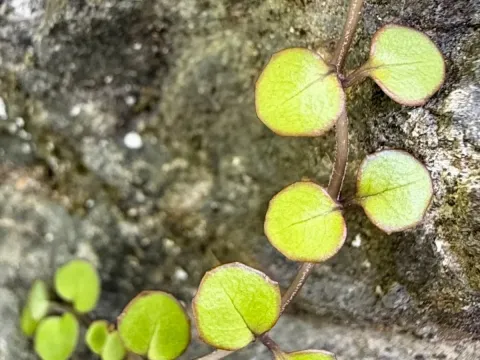
Creeping willowherb
Epilobium nummularifolium
Creeping willowherb, a member of the Onagraceae family, is a versatile perennial often propagated by seeds in early spring. Seeds should be surface-sown in a light, moist starter mix at temperatures between 18 and 20 degrees Celsius.
What the section contains
Creeping willowherb
Because the seeds are tiny, they require sufficient light to germinate, so they should not be covered with a deep layer of soil. Keeping the sowing container covered with glass or film helps maintain necessary humidity.
Transplanting seedlings to their final outdoor location is best done once the danger of late spring frost has passed. Early June is typically the ideal window for established young plants.
Vegetative propagation via division is also highly effective. It is recommended to perform this in late summer, allowing the plant to establish its root system before the onset of winter dormancy.
Proper spacing is essential; for ground cover purposes, plants should be placed 15 to 25 centimeters apart to allow them to spread and eventually form a dense, mat-like habit.
This species thrives best in partial shade to full shade environments. Exposure to harsh, direct sunlight can often cause leaf scorch and inhibit the plant's natural creeping growth pattern.
The soil requirements focus on moisture retention combined with excellent drainage. A rich, loamy soil with a slightly acidic to neutral pH is considered ideal for promoting healthy, vigorous growth.
Adequate watering is the cornerstone of its care regimen. While the plant loves moisture, it cannot tolerate waterlogged conditions, which frequently lead to root rot in poorly drained garden sites.
Fertilization with a balanced, slow-release fertilizer at the beginning of the growth cycle provides the necessary nutrients. Avoiding excessive nitrogen is advised to prevent overly lush, weak foliage.
Mulching is a beneficial practice, as it helps suppress weed competition and keeps the root zone cool. Maintaining a layer of organic mulch contributes to the overall longevity of the plant population.
Fungal diseases are the primary threat, especially in humid or stagnant air conditions. Botrytis and powdery mildew can quickly affect the aesthetic quality of the foliage if ventilation is poor.
Effective management includes maintaining proper spacing between plants to encourage airflow. If an outbreak occurs, applying an appropriate fungicide is necessary to save the planting site.
Slugs and snails present a significant risk, particularly during damp weather conditions. These pests can rapidly defoliate the creeping stems, so monitoring and deterrent methods are essential.
Aphid colonies can occasionally infest the growing tips. Biological control methods, such as introducing predatory insects, are often effective and preferred over harsh chemicals in garden settings.
To ensure plant health, regular monitoring is advised. Removing any dead or dying plant material promptly minimizes the risk of pathogens spreading throughout the entire colony.