
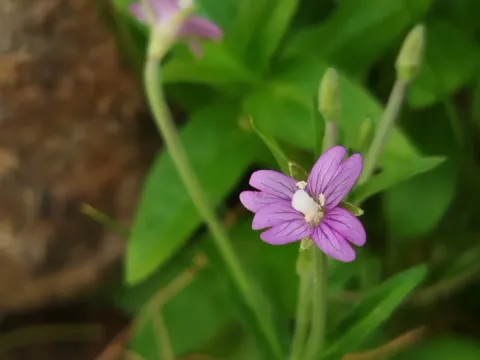
Epilobium erectum
Epilobium erectum
Sowing Epilobium erectum, a member of the Onagraceae family, is best performed in spring when soil temperatures reach 10-12 degrees Celsius. April is generally considered the optimal time to utilize residual soil moisture.
What the section contains
Epilobium erectum
Late autumn sowing is also a viable method. By planting in October, the seeds undergo natural stratification during the winter months, which often leads to more uniform germination in the following spring.
Seeds of this species are very small and should not be buried deeply. A depth of 0.5 to 1 cm is sufficient, followed by firming the soil with a roller to ensure a good connection between the seeds and the substrate.
The spacing between rows should be set at 45 to 60 cm to allow for efficient mechanical weeding and maintenance. This ensures adequate space for the plants to establish a robust and deep root system.
Before sowing, the field must be cleared of perennial weeds. Since young plants grow slowly during the first year, they are highly sensitive to competition, making early weed control an absolute priority.
Epilobium erectum thrives in moist environments and is naturally found in low-lying areas, near water bodies, or on damp meadows. For cultivation, loam or peaty soils that retain water well are preferred.
The crop requires full sun to achieve optimal growth and accumulate high concentrations of active compounds. Shaded conditions lead to weak stems and a significant drop in the quality of the raw material.
The soil should be slightly acidic to neutral, with a pH ranging from 5.5 to 6.5. Enriching the soil with organic matter prior to planting provides the necessary nutrients for vigorous initial development.
This species is quite cold-hardy and can withstand significant winter temperatures. However, a consistent snow cover is beneficial for protecting the perennial root system from extreme frost heave.
While the plant loves moisture, it cannot tolerate standing water. Proper drainage systems are essential to prevent root rot, as the plant needs a well-aerated soil environment to remain healthy during the growing season.
Average yield of fresh biomass can reach 150-250 quintals per hectare under good management. Once established, the plantation enters a highly productive phase starting from the second year.
Given its perennial nature, the plantation can remain productive for 5 to 7 years without the need for reseeding. This longevity helps offset the initial costs of land preparation and establishment.
Nitrogen-phosphorus fertilization in early spring is highly recommended to stimulate vegetative growth. This practice significantly increases the volume of foliage harvested per hectare.
Economic viability largely depends on post-harvest processing quality. Proper fermentation and controlled drying turn the raw biomass into a high-value product suitable for the pharmaceutical and food industries.
The crop is generally stable, but supplemental irrigation during prolonged summer droughts can dramatically improve yield and consistency, especially in regions prone to recent climatic shifts.
Fungal diseases, such as powdery mildew, represent the primary threat to this crop. These pathogens spread quickly in dense plantings with poor air circulation, necessitating careful monitoring.
Prevention is key: maintaining proper plant spacing and ensuring good airflow within the rows will reduce the micro-humidity that allows fungal spores to thrive during warm, humid periods.
Leaf-eating insects, particularly certain moth larvae, are the most common pests. They can defoliate plants rapidly if an outbreak is not detected early and managed properly.
Integrated pest management, favoring biological controls, is highly recommended to maintain the organic status of the herb. Avoiding harsh synthetic pesticides protects the natural aroma of the leaves.
Regular weeding remains a non-negotiable task. Weeds not only compete for nutrients but often act as reservoirs for various viruses and pests that can easily cross over to the primary crop.
Harvesting should occur at the peak of the flowering period. This is when the plant's essential oils and active components are at their highest concentration, ensuring the best quality for the end product.
During mowing, the cutting height should be set to 10-15 cm above the ground. This preserves the plant's regenerative buds located on the rhizome, ensuring rapid regrowth for the next season.
Raw material must be processed immediately after harvesting. Delaying the transport or storage of cut biomass in large piles will cause fermentation and overheating, leading to a loss of aroma.
Drying is best done in shaded, well-ventilated areas or specialized ovens at moderate temperatures. This process preserves the desired color and chemical composition required for high-end herbal teas.
Sorting during the harvest is crucial to exclude coarse or damaged stems. Only clean leaves and tender upper shoots should be selected to maintain the premium grade required for export and retail.