
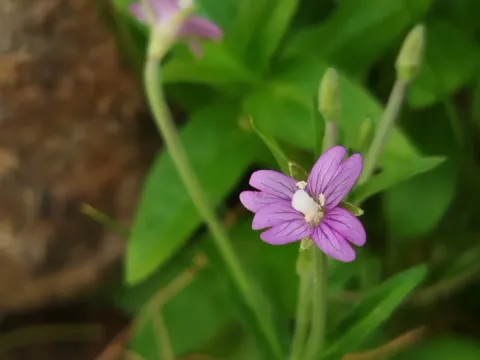
Dull-leaf willowherb
Epilobium obscurum
Dull-leaf willowherb (Epilobium obscurum) is a perennial herbaceous plant belonging to the Onagraceae family. The species is widely distributed across Europe and is commonly found in damp environments, demonstrating a significant preference for moisture-retaining habitats.
What the section contains
Dull-leaf willowherb
Cultivation of this species requires strict adherence to moisture regimes. It thrives in soils that remain consistently moist, such as riparian zones, marshes, or low-lying agricultural fields with high water tables. Unlike some agricultural crops, it shows a high tolerance for varying light conditions, ranging from full sun to partial shade.
Regarding soil preferences, it favors rich, loamy, or sandy substrates with sufficient organic content. While it can withstand a range of soil types, it is highly sensitive to extreme drought. Maintaining a pH level that leans towards acidic or neutral is optimal for maximizing the plant's vegetative growth and overall vitality.
The morphology of the plant is defined by its distinct dark green lanceolate leaves and branched, erect stems. The root system consists of underground stolons, which allow the plant to spread horizontally, effectively colonizing available space. Flowering occurs during the summer months, producing small, pale pink to reddish flowers.
In terms of economic utility, the plant is valued for its potential as a supplementary honey source and for its soil-binding properties in conservation efforts. While not a mainstream industrial crop, it remains an object of interest for phytopharmacy due to the presence of secondary metabolites that exhibit beneficial biological activities.