
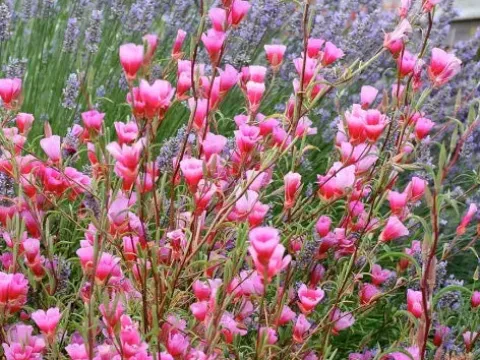
Clarkia
Clarkia hybrids
Clarkia, scientifically known within the Onagraceae family, is a cold-hardy annual flowering plant. Seeds are typically sown directly into the soil in early spring as soon as the ground is workable, allowing for optimal germination in cooler temperatures.
What the section contains
Clarkia
The seeds are exceptionally small and require light for germination; therefore, they should be surface-sown and barely covered with a fine layer of sand or soil. Proper moisture must be maintained until the seedlings are well-established.
Thinning the seedlings is a vital agronomic practice. Once the plants reach a few centimeters in height, they should be thinned to a spacing of 20 to 30 centimeters to ensure adequate air circulation and reduce the risk of fungal diseases.
For regions with shorter growing seasons, starting seeds indoors in biodegradable peat pots is recommended. This minimizes root disturbance, as Clarkia generally reacts poorly to transplanting and may suffer stunted growth if roots are damaged.
In temperate climates, fall sowing is also possible, as the plants can survive the winter as seedlings in mild areas, leading to early bloom the following spring and increased overall biomass.
Clarkia thrives in full sun exposure. While it can tolerate partial shade, insufficient light will cause the stems to become weak and leggy, necessitating staking to prevent the plants from lodging or falling over.
The plant performs best in well-drained, sandy loam soils. It is sensitive to soil compaction and waterlogging, which can quickly lead to oxygen starvation in the root zone and subsequent mortality.
Watering requirements are moderate. During prolonged dry spells, consistent irrigation is necessary to support flower production, but growers must avoid overhead watering to minimize the risk of foliar diseases.
Fertilization should be handled with care. A balanced, low-nitrogen fertilizer applied once or twice during the early growth stages is sufficient. Excessive nitrogen promotes leafy growth at the expense of floral display.
The crop is relatively resilient to cool temperatures and light frosts, making it an excellent choice for early-season planting in various climatic zones where other tender annuals might struggle.
Fungal pathogens such as powdery mildew are the most significant threats to Clarkia. These often manifest in humid, stagnant air conditions and can rapidly spread throughout a dense planting if left untreated.
Root rot, typically caused by Pythium or Phytophthora species, occurs primarily in waterlogged soils. Improving soil drainage and strictly controlling irrigation cycles are the most effective preventative measures.
Aphids and spider mites are the most common pests affecting this crop. Regular monitoring of the underside of leaves is necessary to catch infestations early before they cause significant physiological stress to the plants.
Sanitation practices, including the removal of debris and infected plant tissues, are critical for maintaining a healthy crop. Avoiding overhead irrigation helps keep the foliage dry, which significantly reduces the incidence of disease.
When chemical control is necessary, select fungicides or insecticides that are labeled for ornamental crops to ensure safety and efficacy, while strictly adhering to the recommended application rates.