
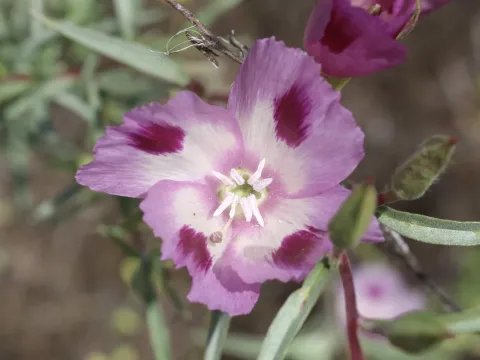
Clarkia williamsonii
Clarkia williamsonii
Clarkia williamsonii is an annual herbaceous flowering plant belonging to the Onagraceae family. It is native to the mountain ranges of California, where it thrives in specific ecological niches.
What the section contains
Clarkia williamsonii
Sowing in open ground is typically carried out in early spring. Seeds require consistent soil temperature for optimal germination, usually around 15 to 20 degrees Celsius for the best results.
When starting seeds indoors, it is recommended to use degradable pots to avoid root disturbance during transplantation. The species possesses a taproot system that is notoriously sensitive to handling.
Seed depth should be minimal, as the seeds require some exposure to light for successful germination. Lightly pressing them into the soil surface is usually sufficient for standard planting practices.
Adequate spacing, typically about 20–30 centimeters apart, ensures that the plants receive enough airflow, which is critical for preventing fungal diseases in the dense foliage later in the season.
This species requires full sun exposure to produce the most vibrant flowers. In regions with very hot summers, light afternoon shade can help extend the duration of the blooming period.
Soil conditions must be well-drained. The plant is highly intolerant of waterlogged soil, which quickly leads to root rot and other fatal physiological disorders for this delicate species.
Moisture management is key to successful cultivation. Regular but light irrigation is preferred over heavy watering, especially during the seedling stage when the root system is still underdeveloped.
Nutrient requirements are modest. Over-fertilization with nitrogen can lead to excessive foliage growth at the expense of floral production; therefore, a balanced fertilizer is recommended.
Tilling and weeding are essential during the early stages of growth to eliminate competition from invasive weeds, which can easily outcompete young Clarkia plants for resources.
Fungal pathogens such as powdery mildew and various types of leaf spot are common threats in humid climates. These infections spread rapidly under stagnant air conditions.
Root rot is the most common cause of failure in Clarkia plantations. It is almost always associated with improper soil drainage or excessive irrigation cycles that keep the rhizosphere saturated.
Aphids are the primary insect pests affecting the plants. They cluster on the undersides of leaves and on stems, potentially transmitting viral diseases that stunt the plant's growth.
Integrated pest management, including the use of neem oil or insecticidal soaps, is effective in keeping aphid populations below the economic injury level for home gardeners and growers.
Sanitation is a critical part of the agronomic plan. Removing spent plants and clearing debris from the plot at the end of the season prevents the overwintering of pests and fungal spores.