
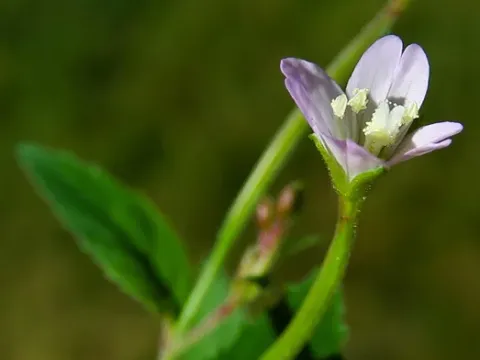
Epilobium duriaei
Epilobium duriaei
Epilobium duriaei is a perennial herb belonging to the Onagraceae family. It is primarily found in the mountainous regions of Southern Europe, specifically within the Pyrenees, where it thrives in specialized high-altitude microclimates.
What the section contains
Epilobium duriaei
The crop requires well-drained, nutrient-rich soils with a slightly acidic to neutral pH level. Proper soil aeration is critical, as the species is highly sensitive to waterlogging, which can cause root decay in a short period of time.
Climate requirements for this species are centered around temperate, cool conditions with significant moisture availability during the growing phase. It possesses strong cold resistance, typical of high-mountain vegetation adapted to erratic seasonal temperature shifts.
Regarding agricultural practices, regular maintenance includes weed control and maintaining optimal plant spacing to allow for adequate airflow. Consistent moisture management is essential, though supplemental irrigation should only be applied during severe drought periods.
In terms of utilization, Epilobium duriaei is largely valued for its role in botanical restoration and niche ornamental landscaping. Its biological traits make it a candidate for soil stabilization on slopes due to its robust and spreading rhizome system.
Common pathological threats include fungal infections, such as rust (Puccinia spp.) and powdery mildew, which often develop during periods of high humidity and insufficient light exposure.
Pest pressures are primarily caused by aphids and certain species of leaf-eating larvae that can significantly impede the development of the foliage during the peak growing season.
Integrated pest management strategies involve the consistent monitoring of plant health and the immediate removal of any diseased material to prevent the spread of fungal spores.
To improve crop resilience, farmers should ensure that plant density is balanced, preventing the creation of a microclimate conducive to rapid pathogen reproduction and disease outbreaks.
Using certified organic amendments can help improve the overall vigor of the crop, enabling it to better withstand both environmental stressors and seasonal insect infestations throughout the year.