
Amur willowherb
Epilobium amurense
Description
Growing requirements
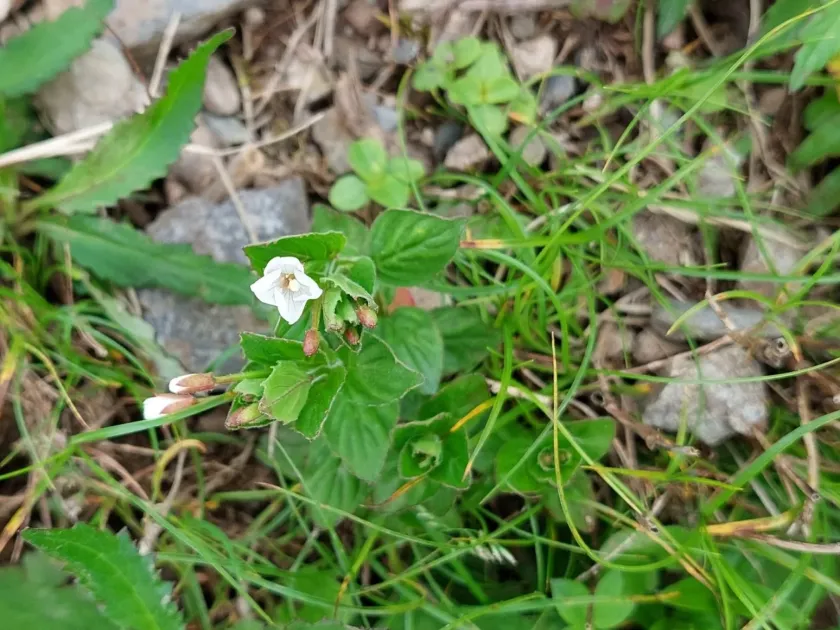
Amur willowherb (Epilobium amurense) is a perennial herbaceous plant belonging to the Onagraceae family. It is natively distributed across the Russian Far East, Eastern Siberia, and parts of East Asia, thriving in moist habitats such as stream banks, forest margins, and wet meadows.
The plant prefers well-drained, nutrient-rich soils with a neutral to slightly acidic pH level. In an agricultural setting, site selection is crucial; it requires significant moisture levels throughout the growing season to ensure optimal leaf development and biomass accumulation.
Amur willowherb is highly adapted to temperate climates, displaying excellent cold tolerance during the dormant season. It thrives in conditions where light is abundant, though it can tolerate partial shade, which is often found in its natural forest edge habitats.
Agronomic management involves thorough land preparation, including tilling and the incorporation of organic matter prior to sowing. Due to the small size of the seeds, they should be sown shallowly and pressed firmly into the soil to ensure successful germination and seedling establishment.
Economically, the plant is primarily cultivated for its medicinal value. The aerial parts are harvested and dried for use in herbal infusions and pharmacological extracts, which are recognized for their bioactive compounds, including tannins and various antioxidants.
Main diseases and pests
Powdery mildew is the most common fungal disease affecting Amur willowherb, especially in areas with poor airflow and high humidity. Management strategies focus on providing adequate spacing between rows to promote air circulation and reduce moisture accumulation on leaves.
Insect pests, including various leaf-eating beetles and moth larvae, can cause significant damage to the plant's foliage. Regular field scouting is advised during the peak growing months to assess infestation levels and determine if biological pest control measures are necessary.
Root rot is a potential risk in poorly drained soils, which can lead to rapid plant mortality. Installing proper drainage systems is essential to maintain plant health and ensure the longevity of the perennial crop in the field.
Weed management is critical during the establishment phase, as the young willowherb plants are sensitive to competition for water and light. Integrating mulch application with early-season mechanical weeding effectively suppresses unwanted flora.
Adhering to sustainable farming practices ensures the longevity of the plant population. Farmers should emphasize soil health and balanced nutrient management to minimize the need for synthetic chemical inputs, thereby preserving the quality of the harvested medicinal material.