
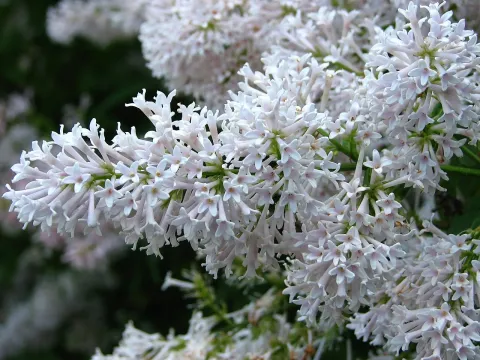
Preston Lilac
Syringa prestoniae
Preston Lilac (Syringa prestoniae) is a hybrid group belonging to the Oleaceae family, derived from crosses between Syringa villosa and Syringa reflexa. Known for its exceptional hardiness and late-season blooms, this shrub is a popular choice for northern gardens where other lilac species might struggle with harsh climates.
What the section contains
Preston Lilac
This species thrives in full sun, which is essential for maximizing flower production and maintaining a dense, vigorous growth habit. While it can adapt to various soil types, it performs best in well-drained, fertile soils with a pH ranging from neutral to slightly alkaline.
Proper planting involves preparing a wide hole and ensuring the roots have access to sufficient moisture during the establishment phase. Unlike some other varieties, Preston Lilac is relatively tolerant of various soil textures, provided that they do not remain waterlogged for extended periods.
Agrotechnical maintenance focuses on light pruning immediately after flowering. This practice helps to remove spent blooms and maintain the desired shape of the shrub while encouraging healthy new growth for the next year. It is important not to prune too late in the season to avoid cutting off potential flower buds.
Mulching the root zone is a critical practice for moisture retention and weed control. Using organic mulch, such as wood chips or compost, also improves soil fertility over time, providing the plant with the essential nutrients needed for consistent annual flowering.
Preston Lilac is generally resistant to many common pests, but powdery mildew remains the most significant threat. Increasing airflow around the plant through correct spacing is the primary cultural control method to minimize the development of this fungal issue.
Insect pests such as scale insects or lilac borers may occasionally affect the health of the shrub. Vigilant monitoring during the growing season is necessary, and any heavily infested branches should be pruned away and disposed of promptly to prevent further spread.
Root rot can occur if the planting site lacks proper drainage. To prevent this, ensure the root ball is not planted too deep and that the soil structure is friable enough to allow excess water to drain away from the root system after heavy rainfall.
Spring health checks are essential to identify any frost damage or winter dieback on the branches. Removing damaged tissue early in the season promotes recovery and allows the plant to focus its energy on flowering and foliage development.
Integrated Pest Management (IPM) strategies, including encouraging beneficial insects, can help keep pest populations below damaging levels. Chemical interventions should only be considered as a last resort, using products that are safe for pollinators to protect the lilac's ecological value.