
Potanin lilac
Syringa potaninii
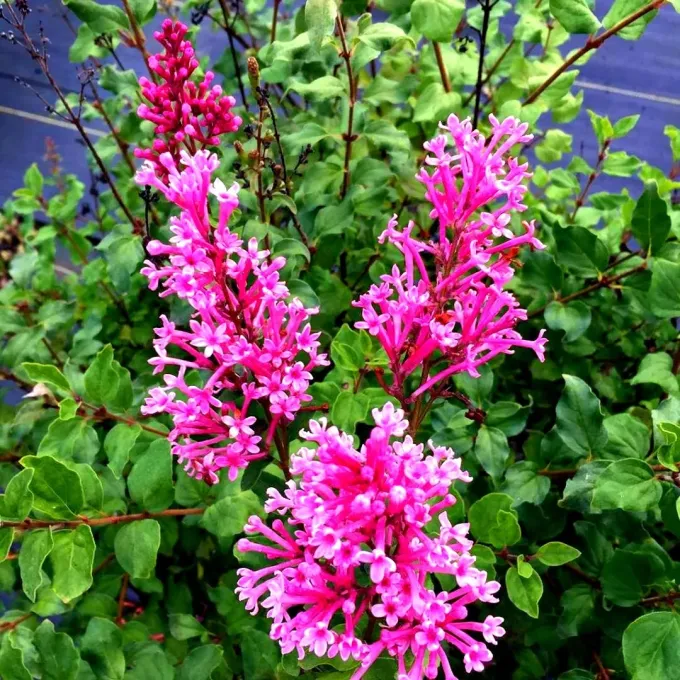
Description
Growing requirements
Potanin lilac (Syringa potaninii) is a deciduous shrub species belonging to the Oleaceae family. This botanical specimen is recognized for its unique floral characteristics and has gained attention among garden enthusiasts for its aesthetic value in landscape design.
The species originates from western China, where it grows in diverse mountain habitats. It is well-adapted to temperate climates, requiring conditions that mirror its natural environment, particularly regarding sunlight exposure and seasonal temperature changes.
Successful cultivation requires fertile, well-draining soil with a neutral to slightly alkaline pH level. As an ornamental crop, it thrives in open areas where it can receive at least six to eight hours of direct sunlight daily to ensure optimal blooming performance.
Water management is critical during the establishment phase and peak summer heat. While the plant can tolerate short periods of moderate dryness once established, consistent moisture is necessary for the development of healthy foliage and flower buds.
Regular maintenance involves annual pruning immediately following the flowering season to manage plant structure. Fertilization should be focused on providing balanced nutrients during the early spring to support the new vegetative growth cycle.
Main diseases and pests
The primary threats to this shrub include powdery mildew and various fungal leaf spot pathogens, which typically flourish in stagnant, humid environments. Maintaining adequate spacing between plants and clearing debris around the root zone are essential preventive measures.
Pest issues often involve scale insects and lilac borers, which can compromise the structural integrity of the stems. If an infestation is detected, integrated pest management practices, including the targeted application of horticultural oils or insecticides, are recommended.