
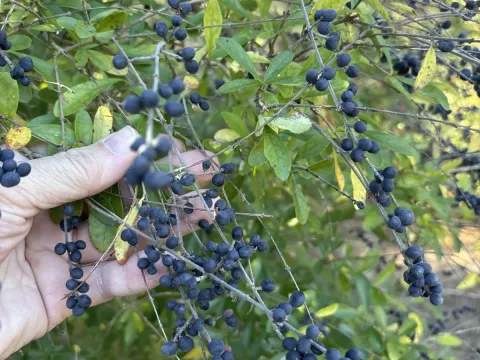
Privet
Ligustrum L.
Privet (Ligustrum L.) is a diverse genus of shrubs and small trees belonging to the family Oleaceae. Native to a wide range of climates across Europe, Asia, and North Africa, these plants have become a staple in ornamental horticulture and commercial landscaping worldwide.
What the section contains
 Border privet
Ligustrum obtusifolium Siebold & Zucc.
Border privet
Ligustrum obtusifolium Siebold & Zucc.
 Chinese privet
Ligustrum sinense Lour.
Chinese privet
Ligustrum sinense Lour.
 Delavay privet
Ligustrum delavayanum Har.
Delavay privet
Ligustrum delavayanum Har.
 Glossy privet
Ligustrum lucidum W. T. Aiton
Glossy privet
Ligustrum lucidum W. T. Aiton
 Ibota privet
Ligustrum ibota Siebold
Ibota privet
Ligustrum ibota Siebold
 Japanese privet
Ligustrum japonicum Thunb.
Japanese privet
Ligustrum japonicum Thunb.
 Oval-leaved privet
Ligustrum ovalifolium Hassk.
Oval-leaved privet
Ligustrum ovalifolium Hassk.
 Wavy-leaf privet
Ligustrum undulatum
Wavy-leaf privet
Ligustrum undulatum
 Wild privet
Ligustrum vulgare L.
Wild privet
Ligustrum vulgare L.
Privet
The plant demonstrates remarkable adaptability to various soil types, including sandy, loamy, and clay soils. While it prefers moist, well-drained conditions, it is known for its resilience to urban pollution and drought once established, making it ideal for street planting and town squares.
Sunlight requirements vary slightly by species, but most varieties thrive in full sun to partial shade. To maintain a dense and vigorous hedge, regular exposure to light is crucial, as it promotes lush foliage growth and prevents the lower branches from becoming sparse over time.
Agronomic management of privet focuses heavily on structural pruning. Because of its fast growth rate and tolerance to heavy shearing, it is one of the most popular choices for formal hedge structures, topiary, and privacy screens in residential and public landscape projects.
In addition to its aesthetic value, privet provides significant ecological benefits. Its dense structure creates effective habitats for small birds and acts as a windbreak, while its ability to withstand urban environmental stressors makes it a highly durable choice for city infrastructure.
Privet is generally robust, but it can be susceptible to fungal infections such as powdery mildew, especially in humid or crowded conditions. Proper plant spacing and thinning of the interior branches are essential cultural practices to improve airflow and reduce fungal risks.
Pest pressures primarily include leaf-eating caterpillars and aphids, which can damage new growth during the spring flush. Mites can also occur during hot, dry periods, potentially causing discoloration or stippling on the leaves if left unmanaged.
Integrated pest management (IPM) is recommended for maintaining healthy privet stands. This includes monitoring for insect activity and applying horticultural soaps or systemic insecticides only when necessary to protect beneficial insects and maintain environmental balance.
Nutrient management is key to preventing stress-induced diseases. A balanced fertilizer application in early spring supports strong root development and thick canopy formation, which in turn makes the plant more resistant to potential pathogens and physiological decline.
Sanitation practices, such as removing fallen leaves and pruning off infected wood, are critical for disease prevention. By keeping the site clean and providing optimal hydration, growers can ensure the longevity and decorative appeal of their privet plantings throughout the year.