
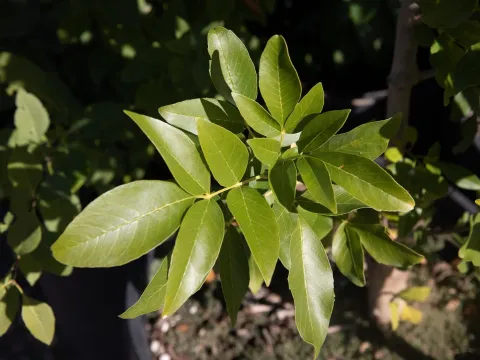
Ash hybrids
Fraxinus hybrids
Ash hybrids belong to the Oleaceae family. These plants are the product of controlled breeding between various species within the Fraxinus genus, aimed at improving wood quality or resilience.
What the section contains
Ash hybrids
These trees thrive in deep, fertile, and moist soils. They perform best in well-drained loams and are generally intolerant of waterlogged sites or extremely dry, sandy substrates.
Adequate sunlight is essential for the healthy development of ash hybrids. As light-demanding species, they require open spaces to ensure the crown develops uniformly and to prevent lower branch dieback.
Climatic requirements vary depending on the parent species involved in the hybridization. However, most commercial hybrids show good tolerance to temperate climates, provided they are protected from extreme frost.
Cultivation practices involve proper soil preparation, including adding organic matter at the time of planting. Establishing a good root system in the first three years is crucial for long-term growth.
The emerald ash borer (Agrilus planipennis) represents a severe and devastating threat to almost all Fraxinus hybrids, leading to rapid decline and death of mature trees.
Ash dieback, caused by the fungus Hymenoscyphus fraxineus, is another critical issue. It causes shoot necrosis, bark lesions, and the overall deterioration of the tree canopy.
Various fungal pathogens, such as leaf spot and powdery mildew, can affect the foliage of young hybrids, especially in high-density nursery settings with poor air circulation.
Management of these threats requires rigorous sanitation, including the removal of deadwood and infected tissues to reduce the pathogen load within the stand.
- Regular monitoring for borer entry holes.
- Use of resistant hybrid cultivars.
- Applying systemic pesticides when necessary.
- Maintaining optimal stand density.