
Chenault's privet
Ligustrum chenaultii
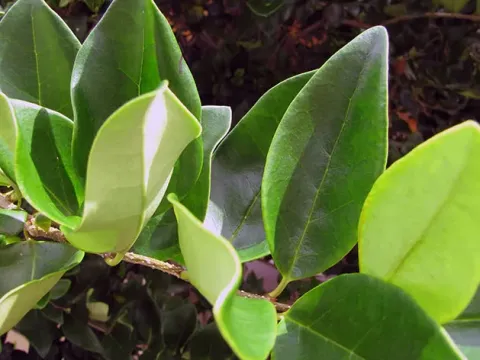
Chenault's privet (Ligustrum chenaultii) is an ornamental semi-evergreen shrub that belongs to the Oleaceae family. This hybrid plant is highly regarded for its dense foliage and fine texture, making it a popular choice for structured landscape design and formal hedge formations in temperate regions.
What the section contains
Chenault's privet
The cultivation of this species requires well-lit locations, although it can adapt to partial shade effectively. It thrives in temperate zones, but it is important to choose a location protected from harsh winter winds, which can desiccate the branches and cause significant damage to the leaf structure.
Regarding soil, this shrub is relatively adaptable but prefers fertile, well-draining loamy soils with a neutral or slightly alkaline pH level. Ensuring proper drainage is a critical agrotechnical requirement, as the root system is susceptible to decay if exposed to prolonged moisture saturation.
Maintenance involves routine pruning, which is essential to preserve the desired shape and density of the plant. Because Ligustrum chenaultii responds well to shearing, gardeners frequently use it to create complex topiary forms and low-profile garden borders that retain their structure throughout the growing season.
Economically and aesthetically, this plant serves as a versatile tool for gardeners and landscape architects. Its ability to create dense, living walls provides wind protection and visual screening, contributing significantly to the functional organization of residential and public green spaces.
Chenault's privet generally exhibits high levels of disease resistance, although poor air circulation and excessive humidity can occasionally lead to powdery mildew. Implementing proper spacing between individual plants is the most effective cultural method to mitigate these risks.
Insect pests, primarily aphids and spider mites, may target young shoots during the peak of the growing season. Early detection through regular monitoring allows for targeted insecticide application, which helps in maintaining the health and vigor of the shrubbery.
Leaf spot pathogens can emerge if the foliage remains wet for extended periods, especially in shaded garden corners. Pruning away damaged or diseased twigs improves canopy ventilation and prevents the spread of fungal spores during the damp spring and autumn months.
Root system health is paramount, and waterlogging is a primary trigger for rot-related issues. Proper soil preparation before planting is necessary to ensure long-term stability and to minimize the susceptibility of the plant to soil-borne pathogens.
Balanced fertilization throughout the active growth phase strengthens the plant's natural defense systems. When the shrub is provided with adequate nutrients and proper irrigation, it demonstrates remarkable resilience against minor pest incursions and environmental stressors.