
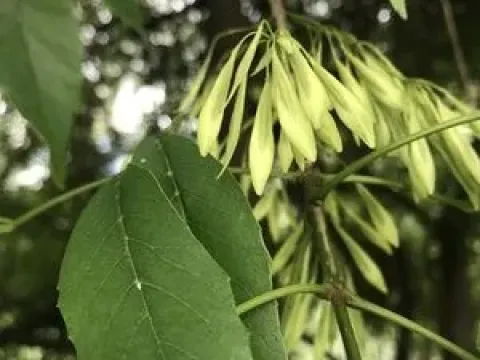
Berlandier ash
Fraxinus berlanderiana
The Berlandier ash (Fraxinus berlandieriana) is a deciduous tree belonging to the Oleaceae family. It is native to North America, specifically found in northern Mexico and the southern United States, where it thrives in warm and humid environments.
What the section contains
Berlandier ash
This species is well-known for its high water tolerance, frequently inhabiting areas near streams and rivers. Unlike many other ash species that prefer dry upland soils, the Berlandier ash is adapted to heavy or periodically saturated soils.
It requires full sun to partial shade for optimal growth. The tree develops a moderate canopy that provides excellent shade, making it a popular choice for urban landscaping and public parks in warmer climate zones.
Soil quality should ideally be rich and loamy with a neutral to alkaline pH. While the tree can tolerate various soil conditions, ensuring proper nutrition through organic matter application is recommended for faster development during the first few years of planting.
Cultivation practices involve supplemental irrigation during periods of severe drought and protection from harsh winter conditions in northern latitudes. Pruning should be kept to a minimum, focusing mainly on the removal of crossing branches to maintain the tree's natural structure.
The Emerald Ash Borer (Agrilus planipennis) is the most significant threat to the Berlandier ash. As a highly destructive invasive wood-boring beetle, it has caused widespread decline in North American ash populations.
Anthracnose is a common fungal disease that affects the leaves and twigs during wet springs. It can lead to defoliation, but rarely kills a healthy, mature tree unless the infection persists over multiple consecutive seasons.
Leaf spot pathogens may also occur, manifesting as dark lesions on the foliage. While usually aesthetic, severe infections can stress the tree and make it more susceptible to other secondary pests or environmental stresses.
Scale insects can attach to the bark and stems, feeding on sap and excreting honeydew, which leads to the growth of sooty mold. Regular monitoring and horticultural oil treatments are effective ways to manage scale populations.
Maintaining tree vigor is the best defense against pests and diseases. Providing adequate water and mulch, avoiding mechanical injury to the trunk, and keeping the base of the tree clear of debris are essential parts of the maintenance program.