
Abeliophyllum
Abeliophyllum
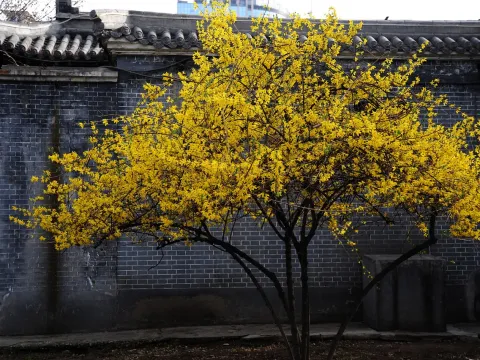
Abeliophyllum is a monotypic genus of deciduous ornamental shrubs belonging to the Oleaceae family. Often referred to as "white forsythia," this plant is highly prized by horticulturists for its early-season flowers and distinctive fragrance that emerges before the foliage develops.
What the section contains
Abeliophyllum
The plant originates from the Korean Peninsula, where it grows in limited regions. In modern cultivation, it is found in temperate climates across the globe, requiring specific environmental conditions to thrive outside of its native habitat and maintain its health.
Successful cultivation requires full sun exposure and well-drained, fertile soil. The ideal substrate should be neutral or slightly acidic, allowing for rapid root expansion while preventing the waterlogging that often leads to physiological distress in this species.
Climate requirements include a stable, temperate environment with cold winters sufficient to stimulate bud development. While the shrub exhibits reasonable frost resistance, young specimens should be protected from harsh, desiccating winter winds to ensure the survival of floral buds.
Agronomic maintenance centers on post-flowering pruning. By removing older stems and crossing branches immediately after the flowering season ends, the gardener encourages the development of new, vigorous wood that will sustain the next year's blooming cycle.
The most common biological threats to Abeliophyllum are associated with fungal pathogens, particularly those triggered by poor soil aeration and excessive moisture. Root rot is a primary concern, often necessitating the use of specialized drainage systems or soil amendments.
Pest management involves regular monitoring for sucking insects, such as aphids, which can cluster on tender spring growth. Integrated pest management practices, including the removal of infested twigs and the application of horticultural oils, are generally effective in maintaining plant vitality.