
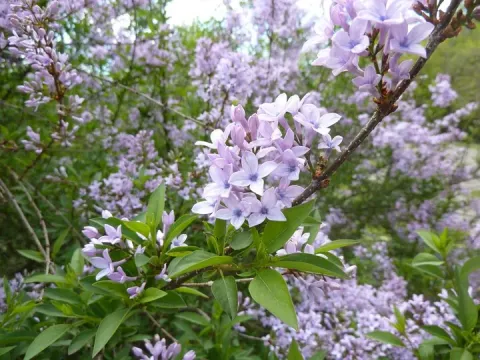
Afghan lilac
Syringa afghanica
The Afghan lilac (Syringa afghanica) is a distinct species belonging to the Oleaceae family. It is native to the rugged, high-altitude landscapes of Afghanistan, where it has adapted to extreme temperature fluctuations and stony soil compositions.
What the section contains
Afghan lilac
This shrub requires full sun exposure to thrive and produce its signature blossoms. Planting it in shaded environments usually results in weak, spindly growth and a significant reduction in flowering capacity.
Regarding soil requirements, the species is highly adapted to poor, rocky substrates. It is essential to ensure excellent drainage, as the plant is sensitive to waterlogged conditions which often trigger root rot and fungal colonization.
The plant demonstrates remarkable resilience to drought, making it an excellent candidate for xeriscaping or gardens situated in arid environments where water resources are restricted.
Proper maintenance involves seasonal pruning to keep the shrub's shape and encourage healthier flowering wood for the following season. This helps in maintaining the plant's structural integrity against mountain winds.
Syringa afghanica faces several biological threats, primarily powdery mildew caused by high humidity levels and poor airflow around the shrub's inner branches.
Bacterial blight is a significant concern for this species, often manifesting as dark spots on the foliage and withered shoots, which requires prompt pruning and sterilization of garden tools.
Various pests, including lilac leaf miners and scale insects, frequently target the leaves and succulent stems, causing stunted growth and aesthetic decline.
Integrated pest management, including the use of neem oil or targeted systemic insecticides, is recommended to control populations of aphids and other sap-sucking insects during the early growing season.
- Regular sanitation by removing fallen leaves and debris around the base of the plant.
- Monitoring the stems for any signs of bark splitting or unnatural lesions.
- Applying preventive fungicides before the onset of the wet spring season.