
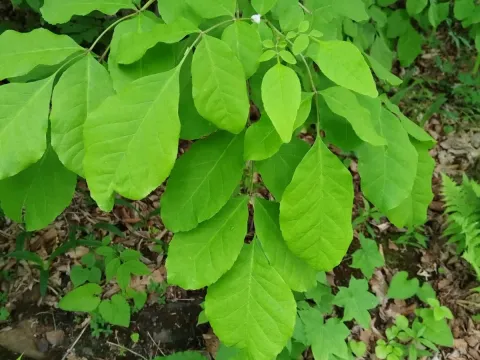
Chinese ash
Fraxinus chinensis
Sowing of Chinese ash seeds is typically performed in the autumn season, allowing for natural cold stratification in the soil, which is essential for uniform germination.
What the section contains
Chinese ash
When spring sowing is planned, seeds must undergo a controlled cold stratification process at temperatures ranging between 1 and 5 degrees Celsius to break seed dormancy.
Seeds should be planted at a shallow depth of approximately 2 to 3 centimeters into well-drained, nutrient-rich soil to optimize the development of the root system.
Maintenance of moisture levels during the germination phase is critical, as soil compaction or desiccation can significantly reduce the number of emerging seedlings.
Once seedlings emerge, they require consistent monitoring for weed competition, which can otherwise impede their growth during the delicate early stages of establishment.
The Chinese ash is a member of the Oleaceae family, known for its adaptability to various environments within its native range across China, Korea, and Japan.
It performs best in deep, fertile soils that provide sufficient moisture while maintaining excellent drainage, as the species is sensitive to prolonged waterlogging.
The tree requires full sunlight for optimal physiological development, which influences both the shape of the canopy and the quality of the timber produced in forestry operations.
Regarding climate, this species prefers temperate zones and demonstrates a moderate level of cold hardiness, although it benefits from protection against harsh, desiccating winter winds.
Good agricultural practice involves monitoring soil pH, aiming for a neutral to slightly acidic range, which maximizes the availability of essential macro and micronutrients for the tree.
The most significant threat to the species is the emerald ash borer, a wood-boring beetle that can cause catastrophic damage by destroying the vascular tissues beneath the bark.
Various fungal pathogens, including those causing leaf spot and bark necrosis, can affect the health of the tree, especially in environments with poor air circulation.
Insects like scale insects and aphids may cause secondary issues by weakening the tree through sap extraction, potentially leading to stunted growth or increased vulnerability to other diseases.
Effective management includes regular scouting for signs of infestation and the removal of severely infected wood to minimize the spread of pests and diseases throughout the stand.
- Regular inspection of the main trunk for borer holes.
- Strategic pruning to increase airflow within the canopy.
- Application of specialized treatments to mitigate pest damage.