
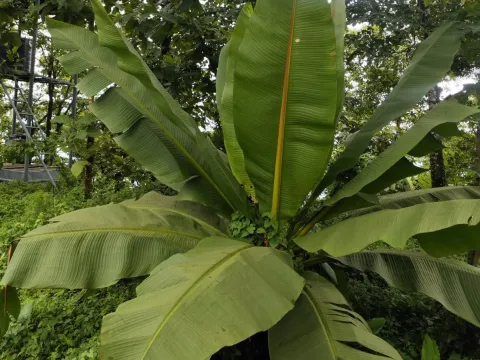
Ensete superbum
Ensete superbum
Ensete superbum is a robust perennial herb belonging to the Musaceae family. Unlike common banana species, this plant is primarily cultivated for its striking architectural foliage and dramatic size in landscaping projects.
What the section contains
Ensete superbum
Native to the mountainous regions of India, the plant thrives in tropical and subtropical climates. It is best suited for environments with high humidity and consistent warmth, mirroring its natural habitat in forest clearings and rocky slopes.
The cultural requirements include a well-draining, nutrient-rich soil mix. Achieving the right balance of irrigation is critical, as the plant demands regular moisture during the growing season while being highly intolerant of waterlogged conditions.
Regarding light, it prefers bright, indirect sunlight. Exposure to harsh afternoon sun can damage the large leaves, while insufficient light may result in slow growth and stunted development of the characteristic pseudostem.
Maintaining proper nutrient levels is essential for this heavy feeder. During the peak growing season, regular applications of balanced fertilizers help sustain its rapid growth rate and ensure the health of its expansive, deep-green leaves.
Root rot remains the most significant threat to Ensete superbum, usually triggered by poor drainage or excessive soil moisture. Managing irrigation and ensuring a porous soil structure are primary preventative measures.
Common pests include spider mites, which thrive in dry indoor conditions. Regularly misting the foliage and maintaining ambient humidity levels can significantly reduce the risk of infestation by these pests.
Mealybugs and scale insects may also colonize the dense leaf bases and stems. Careful monitoring of the plant, especially in hidden spots where leaf petioles meet the stem, is vital for early detection.
Fungal diseases can emerge if the environment lacks sufficient air circulation. Improving ventilation around the plant helps keep the foliage dry and prevents the proliferation of pathogens.
In case of severe infestation, using targeted horticultural oils or systemic insecticides is recommended to eliminate pests while minimizing stress on the plant during treatment.