
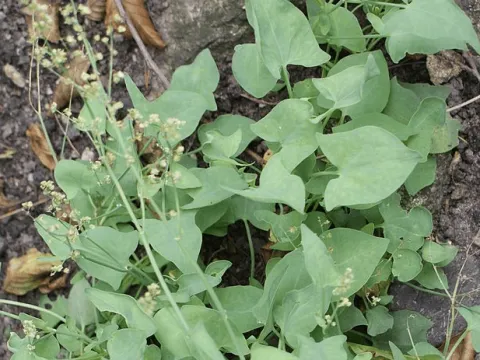
Mountain sorrel
Rumex montanus
Mountain sorrel is a perennial herbaceous plant belonging to the Polygonaceae family. Sowing is typically performed in early spring as soon as the soil reaches temperatures of 3–5 degrees Celsius, or in late summer to allow for root establishment before the winter frost.
What the section contains
Mountain sorrel
For late autumn sowing, seeds are planted in October or November, ensuring they are lightly covered with a nutrient-rich substrate. This method promotes uniform germination as soon as the snow melts, allowing for an early harvest of fresh greens in the following season.
Seed depth should be maintained between 1.5 and 2 centimeters. Planting too deep can significantly reduce germination rates, so it is essential to use loose, well-drained soil and ensure that row spacing is set to approximately 20–25 centimeters for optimal growth.
A single plantation of mountain sorrel can remain productive for 4–5 years. After this period, the yield naturally decreases, and the plants become less vigorous, which indicates the need for either dividing the existing root clumps or establishing a new patch.
This species is characterized by its high cold hardiness, making it suitable for regions with harsh climates. It adapts well to significant temperature fluctuations, which allows farmers to cultivate it reliably throughout the growing season without fear of total crop loss.
Mountain sorrel thrives in moist, fertile soils rich in organic matter. Loamy or peat-based soils with good water-retention properties are preferred to ensure the foliage remains tender and succulent throughout the harvesting period.
The plant has specific soil acidity requirements, performing best in a pH range of 4.5 to 5.5. Maintaining this acidity is critical for optimal nutrient uptake; otherwise, the plants may suffer from chlorosis, leading to diminished yield quality and slower growth rates.
Regular irrigation is vital, particularly during dry spells, to maintain steady growth. Inadequate moisture causes the leaves to toughen and results in an excessive accumulation of oxalic acid, which negatively impacts both the taste and commercial value of the product.
While the plant tolerates partial shade, it is important to manage light exposure. Too much direct sun can trigger early bolting, causing the plant to form flowering stems prematurely. Proper light management ensures that the harvest remains focused on leaf production.
Weed control is an essential aspect of mountain sorrel maintenance. Because the root system is relatively delicate in its early stages, keeping the area clear of competing weeds is necessary to ensure the plants establish themselves efficiently and maintain high yields.
Rust is the most common disease affecting mountain sorrel, characterized by brownish-yellow spots on the leaf surface. Managing this involves spacing plants correctly to improve air circulation and promptly removing any infected plant matter at the first sign of symptoms.
Powdery mildew can also threaten the crop during cool, damp growing seasons. Good cultural practices, including adequate spacing and avoiding waterlogging at the base of the rosette, are the most effective ways to prevent this fungal infection from spreading.
The sorrel leaf beetle is a significant pest that can defoliate entire plants if left unchecked. Regular visual inspections are necessary during the growing season, and physical removal or biological treatments are recommended to keep the pest population under control.
Aphids may cluster on the undersides of leaves, stunting growth and distorting foliage. Using organic soap-based sprays or botanical decoctions helps manage aphid infestations effectively without compromising the safety and ecological quality of the leafy greens.
Slugs and snails can cause damage to young seedlings, especially in humid conditions. Implementing mechanical barriers or using mulch that discourages crawling pests can provide excellent protection for the plants during their most vulnerable growth stages.
The harvest should commence once the leaves reach a length of 10–12 centimeters. Harvesting at the right time is crucial, as delayed harvesting results in coarse, less flavorful leaves and encourages the plant to put energy into flowering rather than foliage.
Leaves are typically harvested using a sharp knife, cutting them approximately 3–4 centimeters above the soil level. This technique preserves the central growing point, allowing the plant to rapidly regenerate and produce subsequent harvests throughout the season.
Growers can typically expect 3–4 harvests per season. The interval between cuttings is usually 15–20 days, depending on local temperature and moisture availability, ensuring a continuous supply of fresh, high-quality mountain sorrel for the market.
Harvesting should be discontinued in late summer to allow the plants to store sufficient energy in their root systems for overwintering. Over-harvesting just before the onset of winter can weaken the plants and lead to lower yields in the following year.
After the final harvest, it is recommended to apply a light layer of organic fertilizer and gently loosen the soil. This practice helps strengthen the root system and creates ideal conditions for the plants to emerge robustly in the next spring season.