
Musa cheesmanii
Musa cheesmanii
Description
Growing requirements
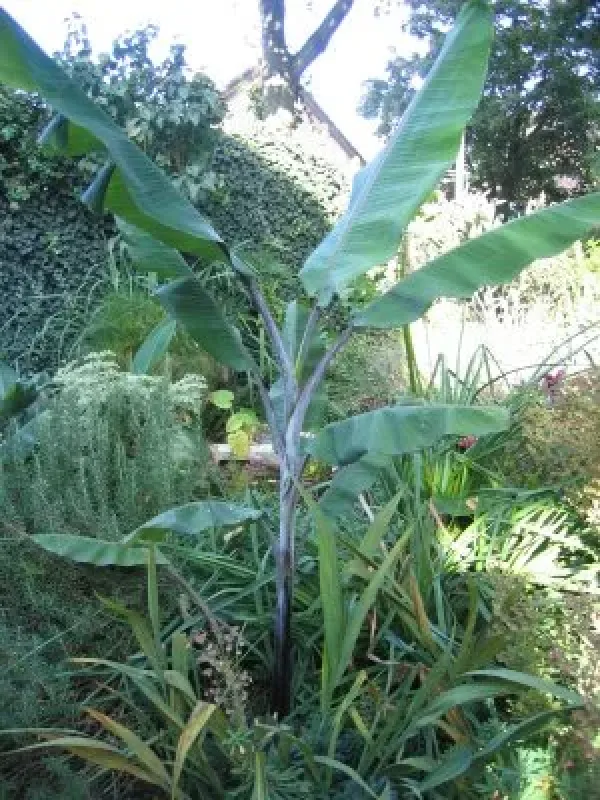
Musa cheesmanii is a wild species of banana plant belonging to the Musaceae family. This perennial herb is native to the northeastern regions of India, particularly the Assam state, where it thrives in humid, tropical forest environments.
The plant is characterized by its robust pseudostem and large, spreading leaves that provide a distinct tropical aesthetic. As a wild species, it is less common in commercial agriculture and is primarily of interest to botanical gardens and enthusiasts.
Regarding climate requirements, this species demands warm temperatures throughout the year. It does not tolerate freezing conditions and requires protection from frost and cold drafts to maintain the health of its foliage and structural integrity.
Soil quality is essential for the healthy growth of Musa cheesmanii. It requires a nutrient-rich, well-draining medium that allows for adequate moisture retention without causing waterlogging, which can be detrimental to the roots.
Proper cultivation involves consistent humidity levels and exposure to bright, filtered light. It performs best in areas where humidity remains high, mirroring its natural forest floor habitat in the Indian tropics.
Main diseases and pests
Like many species in the genus Musa, this plant is susceptible to spider mites, especially when grown in indoor or greenhouse conditions where the air may become too dry.
Mealybugs are another common pest that may colonize the leaf bases and young stems, drawing vital nutrients from the plant and weakening its overall structure over time.
Fungal issues, such as leaf spot and various rots, are prevalent when ventilation is insufficient. Stagnant air combined with high humidity creates an ideal environment for pathogenic fungi to proliferate.
Root rot remains the most critical threat to survival, typically caused by overwatering or the use of heavy, non-porous potting media that does not allow for proper oxygenation of the roots.
Monitoring and sanitation are key to managing threats. Regularly wiping down leaves, ensuring proper spacing between plants, and maintaining good drainage are the most effective preventive measures against outbreaks.