
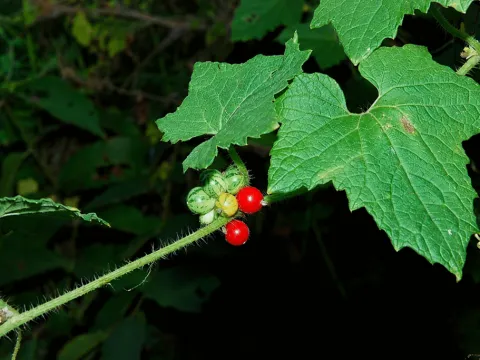
Mukia
Mukia
Sowing seeds of Mukia is recommended when the danger of frost has passed and the soil temperature reaches approximately 18-20 degrees Celsius.
What the section contains
Mukia
In temperate climate zones, it is preferred to use the seedling method to ensure an early start to the growing season and to guarantee a stable harvest.
Seeds should be sown in a nutrient-rich substrate at a depth of 1.5–2 centimeters, maintaining proper spacing between rows to avoid plant overcrowding.
Pre-sowing preparation includes soaking seeds in growth stimulants, which significantly improves germination vigor in field conditions.
Seedlings are transplanted into the ground after hardening off, once 3-4 true leaves have developed, providing protection from direct sun during the first days.
Mukia is a heat-loving crop belonging to the Cucurbitaceae family that thrives in well-lit areas sheltered from strong winds.
Successful growth requires light, well-drained fertile soils with a neutral or slightly acidic pH level.
The plant is extremely sensitive to excessive moisture in the root zone, making it essential to provide high-quality drainage in the growing area.
The optimal temperature range for the active metabolism of this crop is between 22 and 28 degrees Celsius during the daytime.
The crop responds positively to the application of organic fertilizers, such as well-rotted compost or manure, during soil preparation in the spring.
Common threats to Mukia include fungal diseases like powdery mildew, which develops in conditions of high humidity and dense plantings.
The plant is susceptible to spider mite infestations, which multiply rapidly in the hot and dry microclimate of greenhouses or open fields.
Regular monitoring of plants and the use of biological control agents are recommended to combat pests if the fruits are intended for consumption.
Prevention of root and stem rot consists of adhering to a proper watering schedule and preventing waterlogging in the root zone of the crop.
Weed management at early growth stages is necessary to prevent competition for moisture and nutrients, reducing the risk of viral infections.
Harvesting of Mukia begins after the fruits reach their characteristic size and color typical for the variety, usually 60–80 days after germination.
Fruits are harvested selectively as they ripen, using pruning shears to prevent damage to the fragile stems of the vining plant.
Regular harvesting stimulates the formation of new ovaries, which allows for a significantly extended fruiting period before the autumn cold sets in.
The harvested product has a relatively short shelf life, so it is recommended to sell or process the fruits within the first 2-3 days after harvest.
When using Mukia for medicinal or ornamental purposes, fruits can be harvested at different stages of technical maturity depending on the specific application.