
Musa schweinfurthii
Musa schweinfurthii
Description
Growing requirements
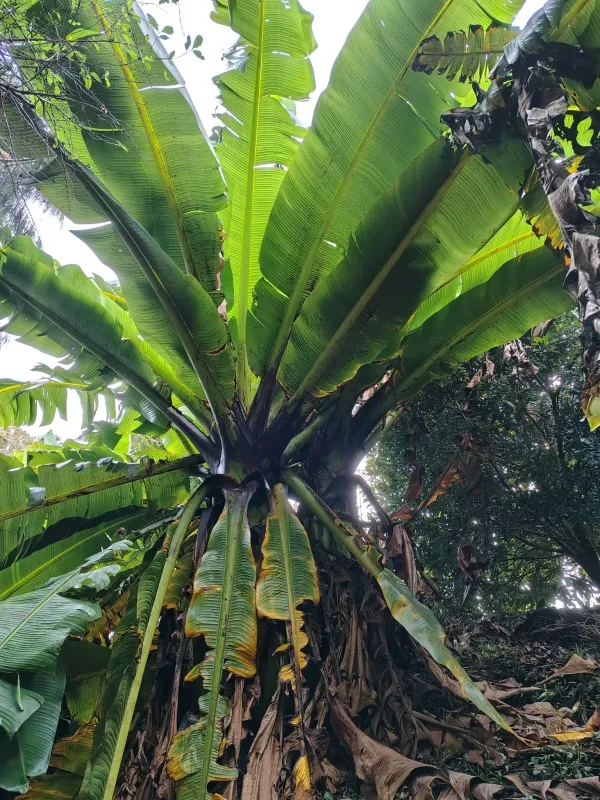
Musa schweinfurthii is a distinct perennial herbaceous plant belonging to the Musaceae family. Originating from the tropical regions of Central and East Africa, this species serves as a vital genetic resource for understanding the evolution of the genus Musa.
The plant thrives in environments characterized by high humidity and consistent tropical temperatures. It is typically found in shaded or semi-shaded areas of primary and secondary forests, where it benefits from high rainfall throughout the year.
To cultivate this species, one must provide a soil substrate that is rich in organic matter, well-aerated, and maintains excellent drainage properties to prevent the waterlogging of the corm, which is extremely sensitive to anaerobic conditions.
Botanically, it forms a robust pseudostem made of overlapping leaf bases. The leaves are large, often exceeding two meters in length, and play a crucial role in the plant's photosynthetic capacity within the forest canopy ecosystem.
While Musa schweinfurthii is not commercially farmed for fruit production due to the presence of hard seeds within the pulp, it remains a subject of great interest in horticultural and scientific communities for its resilience and unique physiological adaptations.
Main diseases and pests
The primary biotic threats to this species include fungal infections such as Panama disease (Fusarium wilt), which disrupts the plant's water transport system and typically leads to rapid decline and necrosis of the plant tissues.
Insects like the banana weevil represent a significant threat to the plant's structural integrity. The larvae tunnel into the corm and pseudostem, creating entry points for secondary bacterial and fungal pathogens.
Root-knot nematodes are common soil-borne pests that affect Musa schweinfurthii by causing gall formation on the roots, which drastically reduces the plant's ability to take up nutrients and water from the soil.
Viral pathogens often transmitted by sap-sucking insects like aphids pose a chronic risk, leading to symptoms such as leaf mosaic, stunted growth, and decreased vigor across the plantation or natural population.
Environmental stress, including soil nutrient depletion and extreme fluctuations in precipitation, acts as a predisposing factor that makes the plants significantly more susceptible to the aforementioned diseases and infestations.