
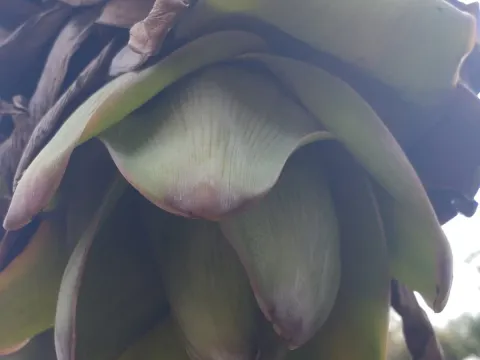
Snow banana
Ensete glaucum
Snow banana is propagated primarily by seeds, which require specific preparation including scarification to break the hard outer coat.
What the section contains
Snow banana
Seeds should be sown in a high-quality, well-draining seed-starting mix, ensuring that the container has adequate drainage holes.
Maintaining a constant soil temperature between 25 and 30 degrees Celsius is crucial for consistent and successful germination rates.
Seedlings are relatively slow-growing in the early stages and should be kept in a warm, brightly lit area protected from direct harsh drafts.
Transplanting into larger pots should be done carefully to avoid disturbing the sensitive root system, ensuring the plant continues to establish vigor.
Ensete glaucum belongs to the Musaceae family and is widely recognized for its stunning blue-green foliage and dramatic structural presence.
The plant thrives in full sun but prefers locations with some protection from extreme heat and intense wind, which can shred the large leaves.
Soil requirements include a rich, fertile substrate with excellent drainage; the plant suffers significantly in waterlogged or heavy clay conditions.
Regular watering is essential during the growing season, while fertilizer application should be frequent to support the rapid development of the pseudostem.
In cooler climates, the plant acts as a tender perennial and should be moved indoors or protected before the first frost of the season occurs.
The most common threat to the health of Ensete glaucum is root rot, typically caused by overwatering or poor soil drainage in the container.
Pests such as aphids and spider mites can be problematic, especially when the plant is kept in indoor environments with low atmospheric humidity.
Maintaining proper air circulation around the canopy helps reduce the likelihood of fungal infections manifesting on the leaf surfaces.
Regular monitoring of the underside of the leaves is advised to catch any potential pest infestation before it reaches a critical level.
Applying integrated pest management strategies, such as using horticultural oils, is often effective for controlling localized infestations.