
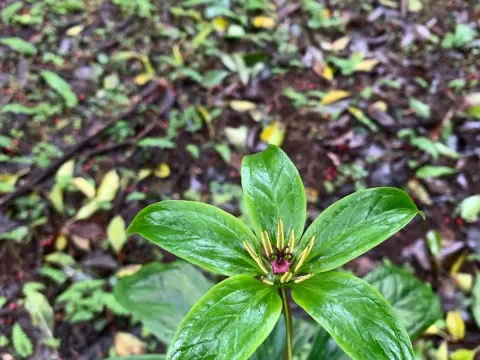
Paris polyphylla
Paris polyphylla
The propagation of Paris polyphylla is primarily achieved through seeds or the division of rhizomes. Seeds possess deep dormancy and require a long period of cold stratification to break this cycle and ensure germination in the following spring.
What the section contains
Paris polyphylla
For best results, seeds should be sown in late autumn. Planting them directly into outdoor beds or seed trays exposed to outdoor temperatures allows for the natural winter chill needed to initiate embryonic development.
Vegetative propagation via rhizome division is a more efficient method for commercial growers. This process should be performed during the plant's dormant phase, either early in the spring before growth begins or in autumn after the foliage has died back.
When transplanting divisions, ensure a spacing of 30 to 40 centimeters between plants. This distance provides adequate room for the rhizomes to expand and ensures that each plant receives sufficient nutrients and soil moisture.
Proper planting depth is essential for establishing a healthy root system. Rhizomes should be placed about 5-7 centimeters below the soil surface, ensuring they are firmly covered to prevent drying out and extreme temperature fluctuations.
Belonging to the Melanthiaceae family, Paris polyphylla naturally thrives in moist, shaded forest environments. In an agricultural setting, the site selection must mimic these conditions by providing partial to full shade.
The ideal soil is rich in organic matter, loose, and well-drained. While the plant requires constant moisture, it is highly sensitive to waterlogging, which can quickly lead to root rot and total loss of the crop.
Soil pH should remain near neutral or slightly acidic. Incorporating compost or leaf mold into the beds prior to planting is highly recommended to improve soil structure and provide a slow-release nutrient source.
Climate management is crucial for success. The plant prefers temperate conditions and performs poorly under intense heat or direct sunlight, which can stress the plant and inhibit its development.
Winter protection is necessary in colder climates. Applying a thick layer of organic mulch helps to stabilize soil temperatures, protecting the rhizomes from freezing and facilitating a robust growth start when spring arrives.
The economic yield of Paris polyphylla is measured by the harvest of its rhizomes, which are rich in steroid saponins. High-quality yield is a result of long-term cultivation, typically requiring five to seven years of growth.
Early harvesting is generally discouraged, as the concentration of active medicinal compounds increases significantly with the age of the rhizome. Patience is a fundamental aspect of this crop's production cycle.
The yield per hectare depends on planting density and the quality of soil management. Consistent fertilization with organic materials ensures that plants have enough energy to develop substantial root mass over their multi-year lifecycle.
Efficient management involves not just the final harvest, but the maintenance of plant health during the growing years. Proper irrigation and weeding ensure that the plant redirects energy to rhizome development rather than survival.
The final product, when processed correctly, commands a high market value due to its widespread use in pharmaceutical preparations, making it a high-value, albeit long-term, agricultural endeavor.
Fungal infections are the most significant threat to Paris polyphylla, particularly in environments with poor air circulation or excessive soil moisture. Root rot is a common issue that can decimate plantations.
Pests like slugs and snails are particularly problematic during the spring, as they feed on tender new shoots. This herbivory stunts growth and reduces the plant's ability to photosynthesize effectively during the critical early season.
Preventative measures include maintaining clear planting rows to facilitate airflow and regular weeding. By minimizing the habitats where pathogens thrive, growers can significantly lower the risk of disease spread.
Integrated Pest Management (IPM) is advised, favoring biological controls over chemical pesticides. Given the medicinal nature of the end product, maintaining environmental purity and avoiding synthetic chemical residues is mandatory.
Monitoring for symptoms of disease, such as wilting or discolored foliage, allows for early intervention. Infected plants must be removed promptly to prevent the spread of soil-borne pathogens to neighboring specimens.
The harvest occurs at the end of the growth cycle, typically in late autumn when the aerial parts of the plant wither. This timing ensures that the maximum concentration of active metabolites is stored in the rhizomes.
Harvesting should be performed carefully, utilizing tools such as garden forks to lift the rhizomes from the earth without damaging their delicate structures. Damaged rhizomes are more susceptible to post-harvest decay.
Once harvested, the rhizomes must be cleaned of soil and debris, sorted, and trimmed. Small, healthy segments can be saved for vegetative propagation in the upcoming season.
Drying is a critical phase of post-harvest processing. Rhizomes should be dried in well-ventilated, shaded areas or industrial dryers at temperatures below 50 degrees Celsius to preserve the structural integrity of the medicinal compounds.
Once properly dried, the rhizomes are stored in airtight, light-proof containers. This ensures the potency of the herbal material is maintained for as long as possible before it is processed for pharmaceutical use.