
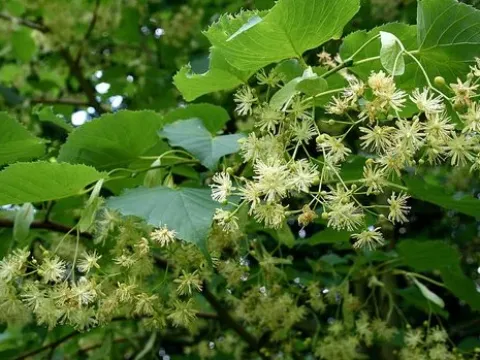
Island linden
Tilia insularis
The Island linden (Tilia insularis) is a unique tree species belonging to the Malvaceae family. It is geographically restricted to the islands of the Korean peninsula, making it a rare and scientifically interesting specimen for botanical study.
What the section contains
Island linden
This species thrives in temperate climates. It prefers environments where there is a consistent supply of moisture, yet it demands excellent soil aeration to prevent root rot, which is a common issue for this genus.
For optimal growth, Tilia insularis requires deep, fertile, and well-draining soils. It performs best in soils with a slightly acidic to neutral pH, showing poor performance in compacted or waterlogged clay environments.
The tree exhibits a preference for sunny locations, although young saplings benefit from partial shade to protect them from excessive evaporation and direct summer heat before they establish a strong root system.
Standard agrotechnical practices for this species include consistent watering during the first few years of growth and mulching to keep the root zone cool. Proper spacing is essential to ensure maximum airflow around the canopy.
Common threats include leaf spot diseases, which are typically triggered by prolonged humidity. These pathogens can significantly reduce the photosynthetic capacity of the tree if left untreated.
Insects like aphids and scale insects are the most frequent pests. These pests extract sap from the succulent new growth, which can cause leaf curling and attract sooty mold infections.
Sanitation is a critical component of pest management. Pruning diseased or dead branches removes the breeding grounds for many harmful insects and prevents the spread of fungal spores.
Integrated pest management (IPM) is recommended, focusing on the use of environmentally friendly insecticidal soaps or neem oil, especially given the tree's role as a valuable nectar source for bees.
Regular visual inspections throughout the spring and early summer allow for early detection of potential infestations, ensuring that the health of the tree is maintained without heavy chemical intervention.