
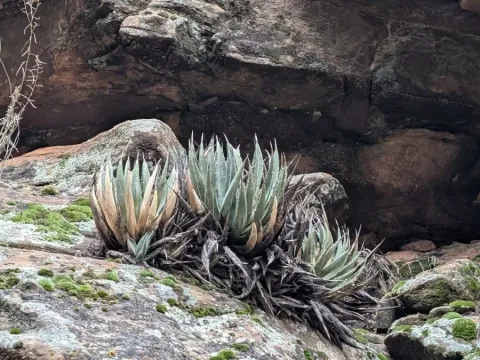
Manfreda
Manfreda
Manfreda is a perennial succulent herb belonging to the Asparagaceae family (formerly classified within the Agavaceae family). In nature, representatives of this genus grow mainly in North and Central America, preferring arid and sunny regions with well-drained, often rocky soils.
What the section contains
Manfreda
The crop is characterized by a basal rosette consisting of fleshy, often spotted or mottled leaves that store moisture. The root system of Manfreda is fibrous and quite robust, which allows the plant to efficiently utilize scarce precipitation in its natural habitat.
For successful cultivation, the plant requires well-drained, light soils with a neutral to slightly acidic pH. Water stagnation is a critical factor that quickly leads to root rot and death of the rosette, so creating a high-quality drainage layer is an essential requirement for container or field growth.
Manfreda is characterized by a high need for sunlight. In conditions of insufficient light, the leaves lose their characteristic pigmentation and patterns, the rosette becomes etiolated, and the plant becomes susceptible to infections. Optimal temperatures during the growing season range between +20°C and +28°C.
In terms of economic use, Manfreda is valued as an ornamental crop for landscaping in warm climate zones and as a houseplant. Some species were historically used by local populations in medicine or as a source of fiber, but it is rarely cultivated on an industrial scale today.
The main threat to the health of Manfreda is fungal diseases caused by systematic waterlogging of the soil. Root rot and Fusarium wilt manifest as softening of the rosette base and yellowing of the foliage, which requires immediate repotting and the removal of affected tissues.
Common pests found on the crop include mealybugs and spider mites. These pests can reproduce rapidly in dry air, so regular inspection of leaf axils is a mandatory preventive measure to maintain the aesthetic appeal and vitality of the plant.