
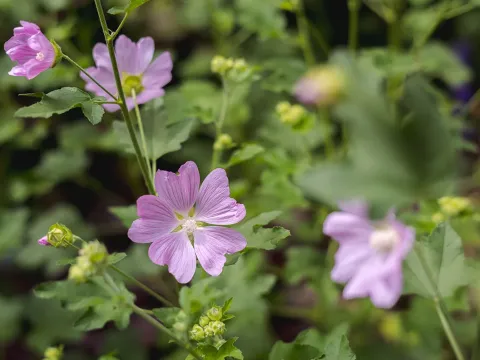
Kashmir mallow
Malva cachemiriana
Sowing seeds of Kashmir mallow in open ground is best done in late spring once the soil temperature consistently reaches 10–12 degrees Celsius. This timing ensures the seeds germinate effectively as the ground warms up.
What the section contains
Kashmir mallow
Autumn sowing in October is also a viable option, allowing for natural stratification of the seeds during the winter months. This method often results in more robust seedlings emerging early in the following spring season.
For earlier blooms, gardeners often utilize the indoor seedling method. Sowing seeds into individual peat pots in early March provides a head start, provided there is adequate light and controlled moisture levels.
The optimal sowing depth is approximately 1 to 1.5 centimeters. Placing seeds too deep may hinder germination, as the small seeds struggle to push through the soil layer before their energy reserves are depleted.
Spacing is a critical factor for the healthy development of Kashmir mallow. Plants should be set at least 40–50 centimeters apart, which allows for proper airflow and prevents the overcrowding that can lead to disease.
Kashmir mallow (Malva cachemiriana), a member of the Malvaceae family, is a sophisticated herbaceous perennial known for its elegant, saucer-shaped flowers. It is widely valued in landscape design for its long blooming period.
The plant thrives in sunny, well-draining locations that offer protection from high winds. Adequate sunlight is essential for the plant to maintain a compact, upright structure and to produce the maximum number of floral buds.
Soil requirements include high fertility and a neutral pH balance. A loamy soil structure is ideal, as it retains necessary nutrients while providing enough drainage to prevent waterlogging, which the roots cannot tolerate.
Although Kashmir mallow is relatively drought-tolerant once established, it requires consistent moisture during its peak flowering phase. Supplemental irrigation during dry summer spells will keep the plant vibrant and healthy.
Regular maintenance includes organic mulching, which helps conserve soil moisture and suppresses weeds. This practice also provides the roots with a stable temperature environment throughout the growing season.
Rust is the most significant disease affecting Kashmir mallow. It appears as reddish-brown spots on the undersides of leaves. Good airflow and the removal of infected foliage are essential practices to manage this common fungal issue.
Pests such as aphids and spider mites frequently target the succulent growth of the plant. These insects feed on the sap, causing leaf curling and general plant stress, which can significantly reduce the overall decorative appeal.
Powdery mildew can occur during periods of high humidity and poor air circulation, manifesting as a white, dusty film on the leaves. Fungicidal treatments or neem oil are effective tools to keep these symptoms under control.
Slugs can be problematic for young seedlings. Implementing physical barriers or using pet-safe slug pellets around the base of the plant can provide effective protection during the vulnerable early stages of growth.
Sanitation is key to preventing the spread of diseases within the garden. Always remove and dispose of any plant material showing signs of illness to ensure that the infection does not persist into the following season.