
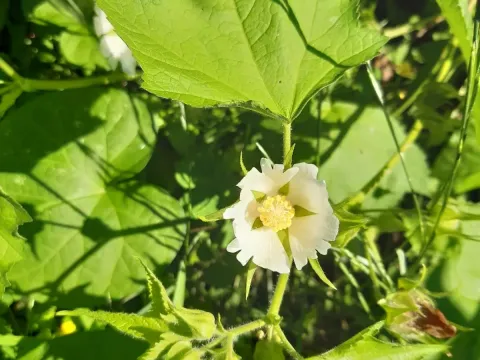
Kitaibela
Kitaibela
Propagation of Kitaibela is carried out mainly by seed sowing or vegetative division of the bush. Sowing seeds into open ground is performed in late autumn or early spring, as soon as the soil warms up to 10–12 degrees Celsius.
What the section contains

Kitaibela
For the seedling method, seeds are sown in containers in late February or early March to obtain strong transplants by May. The seeds require stratification, so they are kept in a cool place beforehand to increase germination rates.
The optimal sowing depth is 1–2 centimeters in light, nutritious substrate mixed with sand. Crops must be regularly moistened, preventing the soil from drying out completely until mass emergence occurs.
When dividing rootstocks, work is planned for early spring, before active sap flow, or during the second half of September. This allows the plant to adapt to its new location before extreme temperatures arrive.
The distance between plants when planting in a permanent location should be at least 60–80 centimeters, as Kitaibela bushes possess massive vegetative growth and expand quickly in width.
Kitaibela is a perennial herbaceous plant from the Malvaceae family, valued for its high ornamental qualities and hardiness. In its natural habitat, it grows in the Balkans, preferring sunny or semi-shaded areas protected from strong winds.
The crop has moderate soil requirements but thrives best in fertile, humus-rich loams with a neutral or slightly alkaline pH. Waterlogging is unacceptable, as it may provoke root system decay.
For normal plant growth, regular but moderate watering is necessary, especially during periods of prolonged summer drought. Atmospheric humidity is not a critical factor, however, additional watering in hot weather promotes more lush flowering.
The plant has good winter hardiness, but in regions with snowless and frosty winters, it requires covering the root zone with a layer of mulch made of peat, fallen leaves, or pine branches. This prevents the freezing of young buds in the root crown.
During the growing season, the plant responds well to the application of complex mineral fertilizers, especially in the budding phase. Autumn fertilization with potassium-phosphorus compounds helps prepare the shoots for the upcoming winter season.
The primary danger for Kitaibela is posed by fungal diseases, such as rust and various leaf spots, which become active during periods of high humidity and overcrowded planting conditions.
To prevent the spread of pathogens, it is necessary to strictly follow agricultural techniques: remove damaged plant parts in a timely manner and perform sanitary pruning in the autumn. Providing good ventilation for the plantings is also crucial.
Among pests, aphids and spider mites cause the most damage by feeding on the sap of young shoots and leaves. Upon detecting the first signs of insect activity, it is necessary to apply insecticides or acaricides with a broad spectrum of action.
In rainy summer conditions, slugs and snails may damage the lower leaves and young shoots. To combat them, it is recommended to use special baits or mechanical barriers around the base of the plant.
Preventive treatment with fungicides at the beginning of the season helps significantly reduce the risk of infection development. Regular inspection of the bushes allows for early problem detection and minimizes the use of chemical protection agents.