
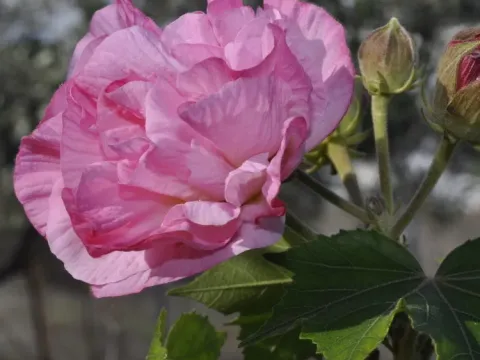
Indian hibiscus
Hibiscus indicus
The planting of Hibiscus indicus typically takes place in the spring once the soil temperature is consistently above +15°C to +18°C. Seeds possess a hard coat, so scarification or soaking in warm water for several hours is recommended to improve germination rates significantly.
What the section contains
Indian hibiscus
For greenhouse production, sowing begins in late winter to develop robust seedlings. When sowing directly into open soil, it is essential to wait until the risk of frost has passed completely, as young shoots are highly sensitive to cold weather conditions.
The seeds should be planted at a depth of 1 to 2 cm. Consistent moisture levels in the seedbed are necessary during the initial stages, as dry soil can inhibit root development and delay the overall emergence of the plants.
Spacing requirements vary depending on the intended use of the crop. For dense biomass production, closer spacing is applied, whereas for ornamental or specimen growth, providing adequate space between plants promotes stronger branches and better overall plant architecture.
Belonging to the Malvaceae family, Indian hibiscus thrives during the long days of the summer season. Proper fertilization starting from the early growth stages is crucial for developing a strong root system and a sturdy main stem for the plant.
This crop prefers well-drained, fertile loamy soils with a neutral to slightly acidic pH level. Soil structure should be light enough to allow for proper root aeration, as the plant is susceptible to root rot if grown in heavy, waterlogged clay soils.
Full sun exposure is a primary requirement for optimal growth and high-quality flower production. While the plant can tolerate partial shade, it will result in leggy stems and a significantly reduced quantity of blooms throughout the season.
The ideal temperature range for Indian hibiscus lies between +22°C and +28°C. Warm conditions are necessary to maintain steady growth rates, as cold snaps can cause physiological stress and stop development until the environment warms up again.
Irrigation management is vital, especially during prolonged dry spells. The plant requires consistent hydration; however, it is important to avoid overwatering, as the substrate should be allowed to dry out slightly between watering sessions.
Regular maintenance, including pruning and the application of balanced NPK fertilizers, helps support the plant's health. Pruning specifically stimulates new growth and ensures the plant maintains a desired shape while promoting airflow within the foliage.
Spider mites and aphids are the most prevalent pests associated with Indian hibiscus. These pests tend to flourish in hot and dry climates, making regular monitoring of the underside of leaves essential for early detection and mitigation.
Powdery mildew is a common fungal issue that arises when humidity levels are high and air circulation is restricted. Preventive measures, such as providing adequate space between plants and keeping the foliage dry, are very effective.
Root rot is a critical threat typically caused by improper watering techniques or poorly draining soil. To prevent this, growers should ensure that the planting site is slightly elevated and that the soil structure is appropriately amended with organic matter.
Thrips and whiteflies can also cause significant damage by feeding on the sap of the leaves and buds, leading to deformations. Applying appropriate contact or systemic insecticides is necessary when these pest populations exceed acceptable thresholds.
Integrated Pest Management (IPM) practices are highly encouraged to maintain long-term crop health. Rotating different types of biological and chemical treatments helps to prevent resistance and ensures the sustainability of the production area.