
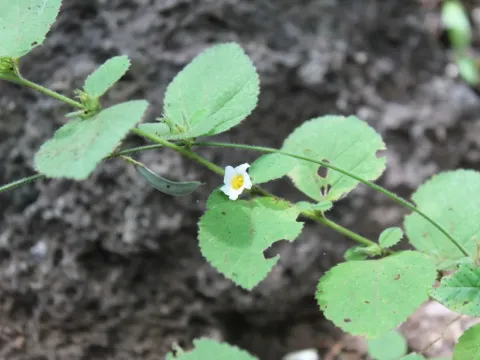
Jamaican fanpetals
Sida jamaicensis
Jamaican fanpetals (Sida jamaicensis) is a herbaceous plant belonging to the Malvaceae family. Native to the tropical regions of the Caribbean, it is recognized for its adaptability to various tropical soil types, provided there is adequate drainage.
What the section contains
Jamaican fanpetals
The crop thrives in warm climates where temperatures remain consistently above +20 degrees Celsius. It requires high light intensity throughout the growing cycle, as the plant's metabolic activity is closely linked to daily photon influx and solar radiation levels.
Soil preferences include loose, well-aerated substrates that prevent the accumulation of stagnant moisture. While the plant can tolerate short periods of dryness, consistent irrigation during the vegetative stage is essential for maximum yield.
Cultivation practices involve regular weeding, especially during the seedling stage when the plant is prone to competition from fast-growing weeds. Preparing the seedbed with organic amendments helps ensure early vigor.
Agronomic management should prioritize moisture control. The plant does not respond well to heavy, waterlogged clay soils, which can induce physiological stress and hinder the development of its root structure.
Diseases such as fungal root rot pose the most significant threat to this crop. These pathogens typically thrive in moist, cool conditions, which can be devastating if the field management system does not prioritize drainage.
Insect pests, including various species of aphids and leaf miners, represent a major challenge for producers. These pests extract sap from the phloem, causing stunted growth and reducing the nutritional or fiber quality of the biomass.
Spider mites are another concern, particularly in hotter and drier periods of the growing season. Their feeding activity results in chlorosis and eventual necrosis of the leaves, significantly reducing the photosynthetic capacity of the plant.
Integrated Pest Management (IPM) is strongly recommended to handle these threats. This involves monitoring pest populations and utilizing biological control agents before resorting to chemical interventions.
Maintaining clear field borders and removing debris from previous harvests is crucial. Such sanitation practices prevent the overwintering of pathogens and reduce the risk of secondary infections during the next cropping cycle.