
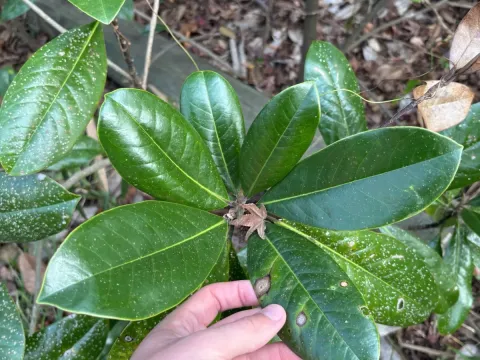
Manglietia
Manglietia
Manglietia (genus Manglietia) belongs to the Magnoliaceae family. These trees are known for their evergreen foliage, large aromatic flowers, and structural grandeur, often serving as critical components of the forest ecosystems where they originate.
What the section contains
Manglietia
The native range of Manglietia extends across the subtropical and tropical zones of Asia, particularly in regions such as China, Vietnam, and Indonesia. They thrive in montane forests, where high atmospheric moisture and relatively stable temperatures foster rapid vegetative development.
In terms of soil requirements, Manglietia prefers fertile, acidic to neutral, and well-draining substrates. Waterlogging is a significant threat to these trees, as their root systems require adequate aeration to maintain health and prevent decay, making slope cultivation a preferred practice.
The climate requirements emphasize the necessity of high humidity and moderate heat. While established trees can withstand brief periods of cooler weather, prolonged drought or extreme thermal fluctuations can severely stress the plant, leading to stunted growth or branch dieback.
Agro-technical practices involve initial shade management for saplings. Providing a protective canopy during the first few years of growth helps prevent leaf scorch and promotes a stronger trunk formation before the trees are exposed to full sunlight in their maturity.
Manglietia is susceptible to various fungal pathogens, especially if the soil drainage is inadequate. Root rot and leaf spot diseases are the most common threats, which typically proliferate in overly humid, stagnant environments where air circulation is restricted.
Pest management focuses on controlling leaf-eating insects and wood-boring beetles that can compromise the structural integrity of the timber. Regular monitoring and maintaining tree vigor through appropriate fertilization are essential strategies to minimize the risk of large-scale infestations.
The primary economic use of Manglietia is its high-quality timber. The wood is valued for its uniformity, durability, and resistance to environmental stress, making it a sought-after resource for high-end construction, carpentry, and interior woodworking projects.
Beyond its timber utility, the genus has gained recognition in ornamental forestry and landscape architecture. Its aesthetic value, provided by glossy leaves and impressive blooms, makes it an excellent choice for conservation efforts and reforestation programs that aim to improve both biodiversity and soil stability.