
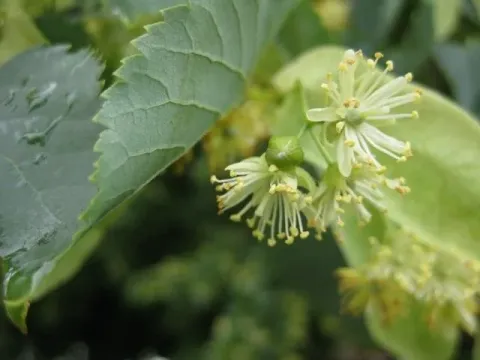
Hybrid lime
Tilia hybrids
The hybrid lime (Tilia × europaea) belongs to the Malvaceae family and is a result of cross-breeding between different Tilia species, primarily Tilia cordata and Tilia platyphyllos.
What the section contains
Hybrid lime
Propagation of this hybrid is predominantly achieved through vegetative methods, such as grafting or cuttings, to ensure the offspring retain the desirable traits of the parent plant.
Due to the hybrid nature of the tree, seed-based propagation is generally avoided in agricultural practice, as it leads to high genetic variability and loss of specific characteristics.
The most suitable time for planting hybrid lime saplings is during the early spring or autumn dormant periods, allowing the roots to establish before the onset of extreme temperatures.
When establishing a plantation, adequate spacing is crucial to accommodate the tree's vigorous growth pattern and to provide sufficient sunlight to the crown for optimal floral development.
Hybrid lime trees thrive in deep, fertile, and well-drained loam soils with a neutral to slightly alkaline pH, while being sensitive to poor aeration and heavy clay compaction.
This tree is highly regarded for its exceptional tolerance to urban pollution and atmospheric contaminants, making it a staple species in city parks and roadside landscaping.
Consistent soil moisture is essential during the early stages of development; however, established trees exhibit a moderate degree of drought tolerance under normal environmental conditions.
While the trees can tolerate partial shade, they prefer full sun exposure to maximize the production of nectar and the quality of the blossoms used for medicinal and commercial purposes.
Protection from severe winter winds and late frosts is recommended in colder climatic zones to prevent bark splitting and frost damage on younger, more vulnerable specimens.
The economic utility of the hybrid lime is closely tied to its role in apiculture, as it serves as a prolific source of high-quality nectar, resulting in superior honey production.
The blossoms harvested from these trees are a significant source of raw material for the pharmaceutical industry, particularly for teas and extracts known for their calming properties.
The timber of the hybrid lime is highly valued in carving and model-making due to its fine texture, consistent density, and excellent ability to hold sharp, detailed edges.
Optimal yields of both nectar and flowers are achieved through healthy maintenance practices, including appropriate nutrient management and the absence of heavy pest pressure.
Managed plantations can provide a reliable harvest of medicinal flowers annually, provided the trees reach maturity and are cultivated in favorable micro-climates.
Lime trees are commonly affected by the lime leaf gall mite, which causes aesthetic damage through the formation of small galls on the upper leaf surface.
Aphid infestations are a significant concern, as they produce honeydew that promotes the growth of sooty mold, which can impede photosynthesis and reduce tree vigor.
Fungal pathogens causing leaf spots and necrotic lesions can appear during humid seasons, necessitating preventive fungicide applications and proper orchard sanitation.
Wood-boring insects may attack stressed trees, requiring regular monitoring of the trunk and branches to detect early signs of infestation and prevent long-term structural damage.
- Monitoring for pest presence during the early growing season.
- Sanitary pruning of infected or dead branches.
- Maintaining healthy soil and moisture levels to improve natural immunity.
The harvesting of lime blossoms must be timed carefully during the peak flowering period when the majority of buds have opened to ensure maximum essential oil content.
Flowers should be collected along with the distinctive leafy bracts, using manual methods to avoid crushing the delicate structures and to minimize contamination.
Drying is a critical stage; the harvest should be spread thinly in a cool, shaded, and well-ventilated area to prevent fermentation and ensure a high-quality final product.
The final product must retain its natural color and characteristic scent, as these are the primary indicators of a successful harvest and optimal medicinal potency.
Proper storage in moisture-proof and light-resistant containers is essential for maintaining the integrity of the flowers over a long duration before reaching the consumer.