
Kiusu linden
Tilia kiusiana
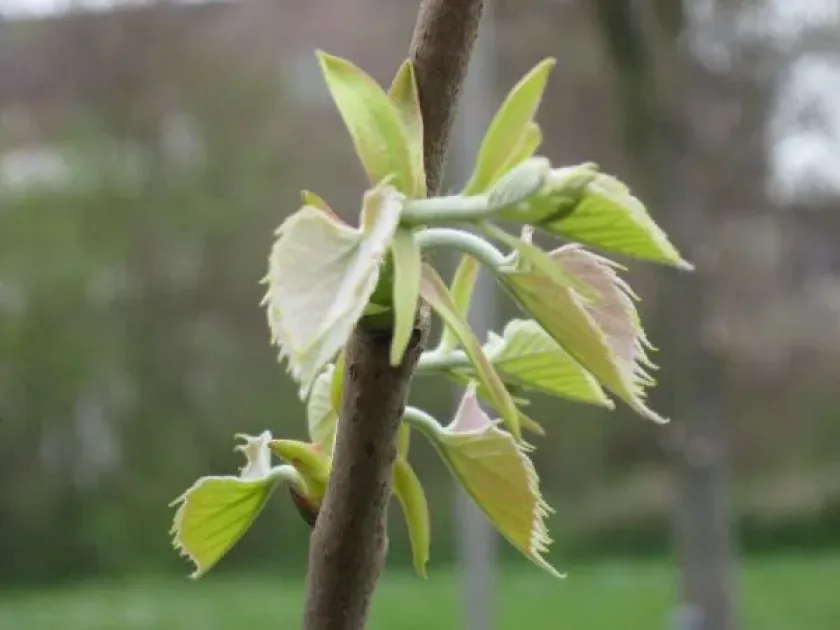
Description
Growing requirements
The Kiusu linden (Tilia kiusiana) is a species of deciduous tree belonging to the Malvaceae family. Native to Japan, particularly Kyushu island, it thrives in temperate climates. This species is valued by arborists for its delicate foliage and elegant growth habit.
This crop requires fertile, well-drained loamy soils to develop its full potential. It is sensitive to waterlogging, so proper site selection with good drainage is mandatory for long-term health. Soil acidity should be maintained within the neutral to slightly acidic range.
Light requirements for Tilia kiusiana include full sun to partial shade. Protection from strong, drying winds is crucial, especially for young specimens. Placing the tree near natural windbreaks or in sheltered courtyards is recommended for optimal growth.
Watering is a key aspect of maintenance during the establishment phase. Regular irrigation is necessary during dry spells to prevent drought stress. Adding a layer of organic mulch around the base will help retain soil moisture and regulate ground temperature.
In terms of usage, this linden is primarily cultivated as an ornamental tree in gardens and parks. Furthermore, it serves as a significant nectar source, supporting local pollinator populations throughout its blooming season in the summer months.
Main diseases and pests
Typical threats include leaf spot diseases and powdery mildew, which are often exacerbated by poor air circulation. Proper spacing during planting significantly reduces the risk of these fungal infections spreading through the canopy.
Common pests include aphids and spider mites, which can cause leaf yellowing and premature defoliation. Early detection through regular visual inspections is vital to manage these populations before they impact the tree's vigor.
Winter damage from rodents is a specific threat for younger trees. Protecting the lower trunk with wire guards or protective wraps is a standard and effective practice to prevent bark damage during the dormant season.
Sunscald on the trunk is another risk, particularly in late winter when high daytime temperatures fluctuate significantly. Providing temporary shade or wrapping the trunk can protect the sensitive cambium layer.
Sustainable pest management should prioritize biological controls and mechanical removal of infected parts. Maintaining tree health through proper fertilization and watering is the best defense against environmental and biological stresses.