
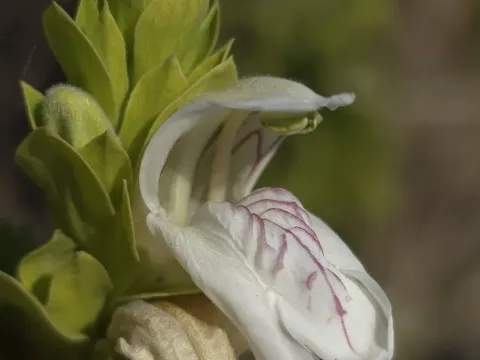
Malabar nut
Adhatoda vasica
Malabar nut (Adhatoda vasica) is a perennial medicinal shrub belonging to the Acanthaceae family. It is widely recognized for its high content of the alkaloid vasicine, which is extensively utilized in modern and traditional respiratory medicine.
What the section contains
Malabar nut
The plant originates from the tropical regions of Asia, primarily India and surrounding countries. It naturally thrives in areas with high rainfall and tropical temperatures, requiring a frost-free environment to maintain its evergreen status throughout the year.
Soil requirements include well-drained, fertile loams with a neutral pH balance. The shrub is sensitive to waterlogging, which often leads to root decay and decreased alkaloid yield, so site selection must prioritize excellent drainage capabilities.
Optimal growth occurs at temperatures ranging between 22 and 30 degrees Celsius. While it can withstand moderate periods of dry weather once established, consistent soil moisture during the peak vegetative stage significantly boosts biomass production.
Cultivation practices involve regular pruning to encourage side branching and the development of dense foliage. This method is critical for maximizing leaf output, as the leaves contain the highest concentration of the active pharmaceutical compounds.
Propagation is typically achieved through stem cuttings or seeds. Seed sowing is conducted in nurseries during early spring, ensuring that the soil medium remains consistently warm and moist to facilitate germination within 10 to 15 days.
For commercial plantations, stem cuttings are preferred for ensuring genetic uniformity. Cuttings of approximately 20 cm are placed in rooting hormone before being planted in rows with a spacing of 60-90 cm to allow for adequate airflow and growth.
The primary threats include fungal diseases such as powdery mildew, which can occur during high humidity periods. Furthermore, root rot is a common issue if soil drainage is inadequate, leading to the rapid decline of individual plants.
Insect pests include spider mites and scale insects that infest the leaves. Integrated pest management strategies, such as the use of neem-based sprays and the introduction of beneficial predatory insects, are effective in protecting the crop.
Harvesting involves the collection of leaves and, occasionally, roots. The leaves are typically harvested by hand during the flowering season when the concentration of medicinal alkaloids reaches its peak, ensuring the quality of the raw material.