
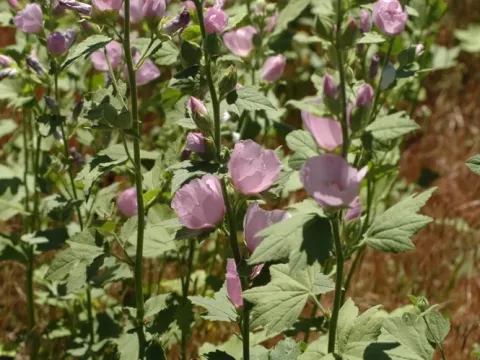
Iliamna
Iliamna
Iliamna seeds are generally sown in spring once the soil has warmed sufficiently, or in late autumn in temperate regions. The seeds possess a tough outer coat, which necessitates pre-treatment such as scarification or cold stratification to ensure uniform germination.
What the section contains
Iliamna
Sowing is performed in rows at a depth of 1–2 centimeters, ensuring firm contact between the seed and moist soil to promote consistent emergence. Seedlings typically appear within 2–3 weeks, depending on environmental conditions and seed quality.
When using a seedling method, seeds are planted in containers in March with supplemental light to foster a robust root system. Transplanting into open soil is carried out after the final threat of spring frost has passed.
The optimal planting density depends on the intended use; for ornamental or breeding purposes, a spacing of 50–70 centimeters between plants is recommended to allow for full bush development.
A crucial factor for successful establishment is maintaining stable soil moisture during the first few weeks after sowing or transplanting, which is essential for the development of Iliamna's strong taproot.
Iliamna is a member of the Malvaceae family and is a perennial herbaceous plant native to the mountainous and forested regions of North America. It prefers open, sunny locations but can tolerate partial shade.
The plant has few specific soil requirements, although it thrives best in light, well-drained loamy soils with a neutral to slightly alkaline pH. The absence of standing groundwater is vital for root health.
The plant is highly frost-tolerant and adapts well to temperature fluctuations typical of regions with distinct seasons. While it displays moderate drought tolerance, regular watering is necessary during active growth stages.
In its natural habitat, Iliamna often grows on rocky slopes or in forest clearings, which explains its capacity to thrive in nutrient-poor soils provided there is adequate soil aeration.
To promote vigorous growth and prolific flowering, periodic applications of complex mineral fertilizers are recommended during the active growing season, especially when cultivating on impoverished soils.
Iliamna generally possesses strong natural resistance; however, improper agricultural practices, particularly soil waterlogging, can leave plants susceptible to fungal diseases such as powdery mildew or root rot.
In dense plantings or areas with poor air circulation, there is an increased risk of leaf spot diseases caused by excessive humidity and a lack of proper ventilation within the plant foliage.
Among pests, insects common to the Malvaceae family pose the greatest threat, particularly aphids, which damage young shoots and flower buds by extracting sap, leading to foliage deformation.
Damage from spider mites is also possible during prolonged periods of drought, when low atmospheric humidity and water stress weaken the plant’s defenses.
To prevent the spread of diseases and pests, timely sanitary pruning of dead plant matter is advised, along with irrigation practices that avoid direct wetting of the leaf surface.