
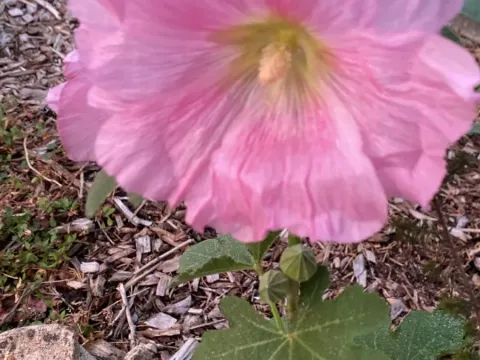
Hollyhock
Alcea L.
Hollyhock seeds are typically sown in late spring, once the soil has warmed up, ensuring optimal conditions for germination and early seedling development.
What the section contains

Hollyhock
When starting indoors, seeds should be sown in individual peat pots about 6 to 8 weeks before the last frost date to avoid root disturbance during transplantation.
The seeds require a depth of approximately 1 centimeter, covered lightly with soil and kept consistently moist until germination occurs, usually within two weeks.
Spacing is a critical factor for success; plants should be placed at least 50 centimeters apart to promote air circulation and reduce the risk of humidity-related diseases.
For biennial varieties, the sowing process often occurs in summer to allow the plants to establish a sturdy leaf rosette before their first winter dormancy.
The Hollyhock, scientifically known as Alcea L., belongs to the Malvaceae family and is native to the temperate regions of Europe and Western Asia.
This crop demands a full sun position, as it needs intense light to produce its iconic tall spikes filled with vibrant, large flowers throughout the summer.
Well-drained, nutrient-rich soil with a slightly alkaline to neutral pH is ideal for promoting vigorous growth and sustained flower production over several seasons.
Because these plants can reach significant heights, they benefit from sheltered locations protected from high winds that might cause the stems to snap or lean.
Regular fertilization with a balanced, slow-release fertilizer is recommended in early spring to support the rapid vertical growth of the flowering stalks.
Rust (Puccinia malvacearum) remains the most significant threat to hollyhocks, characterized by orange or brown pustules appearing on the undersides of the leaves.
Powdery mildew is another frequent issue, appearing as a white, dusty layer on the foliage, often triggered by insufficient spacing or poor air movement in the garden.
Pests such as Japanese beetles and aphids can cause substantial damage to the flower buds and leaves if populations are not managed in the early spring.
Sanitation is paramount; removing and destroying infected plant debris in the autumn helps prevent the recurrence of fungal spores in the following growing season.
- Consistent air circulation between plants.
- Early identification of fungal infestations.
- Application of horticultural oils for pest management.