
Kleinhovia
Kleinhovia
Kleinhovia hospita is a medium-sized, evergreen tree belonging to the Malvaceae family. Native to tropical regions of Asia, including the Philippines, Indonesia, and Malaysia, this plant is well-adapted to hot and humid environments.
What the section contains

Kleinhovia
The species thrives in areas with high rainfall and consistent temperatures throughout the year. It is frequently found in primary and secondary forests, as well as in lowland areas, where it can access sufficient sunlight.
For successful cultivation, the soil should be rich in organic matter, deep, and possess excellent drainage characteristics. While it can tolerate various soil types, waterlogging must be strictly avoided to prevent root diseases.
Temperature requirements remain steady between 20°C and 30°C. Being a tropical tree, it is highly sensitive to frost and sudden drops in temperature, which can significantly damage its soft foliage and branches.
Agricultural management includes regular monitoring of soil moisture and the implementation of mulching techniques to preserve soil health. Pruning during the dormant phase helps maintain a strong structure and improves canopy aeration.
Kleinhovia provides multiple economic benefits, starting from its soft and lightweight timber. The wood is utilized for crafting small household items, wooden utensils, and various traditional woodcarving products.
The tree is considered a significant honey plant, as its abundant flowers are rich in nectar. It plays a crucial role in tropical beekeeping, contributing to the production of high-quality, aromatic honey.
From a pharmaceutical perspective, leaves and bark are used in traditional medicine practices. They are known for their anti-inflammatory and antiseptic properties, often being applied to treat skin irritations and minor wounds.
In environmental management, the species is valuable for reforestation projects. Its root system helps in soil stabilization and prevents erosion in disturbed or degraded areas where other species might struggle.
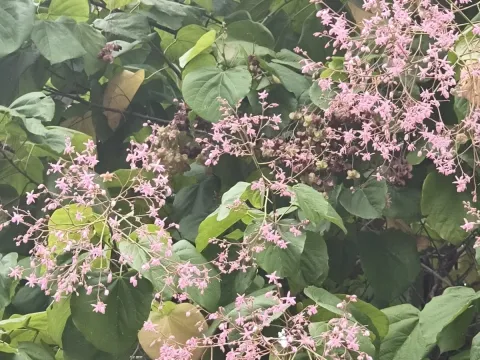
Ornamentally, the tree is prized for its attractive pink, terminal inflorescences. It serves as an excellent shade tree in urban planning and is frequently planted in parks to enhance the biodiversity of the local ecosystem.
Common threats to Kleinhovia include various defoliating insects and lepidopteran larvae. Regular monitoring of the foliage is necessary to detect infestations early and prevent severe damage to the tree's health.
Fungal pathogens such as leaf spot can occur in environments with poor air circulation or excessive moisture. To mitigate this, growers should ensure proper spacing between trees during initial planting.
Root rot is the most dangerous threat, often resulting from poor site selection or improper irrigation management. Improving soil permeability is the primary defense strategy against this type of infection.
Invasive weeds can pose a threat by competing for sunlight and soil nutrients during the early stages of the tree's development. Effective weed control programs are essential for young plantation success.
Integrated Pest Management (IPM) is recommended to keep the trees healthy while minimizing chemical usage. This approach emphasizes biological controls and cultural practices to maintain the resilience of the ecosystem.