
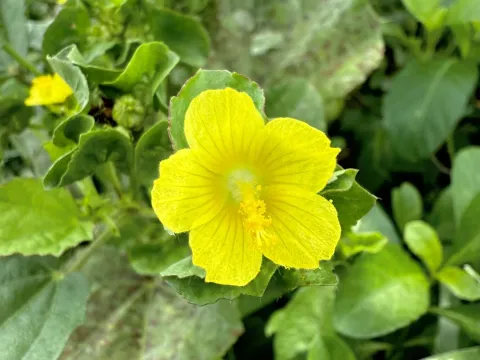
Malachra heptaphylla
Malachra heptaphylla
Malachra heptaphylla is a heat-loving crop, requiring stable high temperatures for germination and early development. Planting should be timed to avoid any risk of late spring frosts, ensuring soil temperatures are consistently above 20 degrees Celsius.
What the section contains
Malachra heptaphylla
Sufficient soil moisture is essential during the sowing phase to ensure uniform emergence. Seeds are typically planted at a shallow depth of 2 to 4 centimeters to encourage quick establishment in the soil profile.
Using a row-based sowing method helps manage plant density, which is crucial for the development of tall, straight stems. High density is generally preferred to maximize the production of high-quality bast fibers throughout the growing season.
Starter fertilizers are recommended during sowing to boost early vegetative growth. A nutrient-rich environment allows the plants to quickly develop a robust root system and establish the necessary vigor for the summer months.
The spacing between rows should be optimized to allow for mechanical weeding and proper air circulation, which helps reduce the risk of humidity-related diseases during the intensive growth phases.
Belonging to the Malvaceae family, Malachra heptaphylla thrives in tropical and subtropical climates. It demands long periods of warm weather and high humidity to reach its full potential for biomass accumulation.
The crop prefers fertile, well-draining loamy soils with a neutral or slightly acidic pH balance. Poorly drained soils can cause root stress, which negatively impacts the development of the stems and the quality of the fiber.
Sunlight exposure is a critical factor, as the plant does not tolerate shading. A clean field, free from competing weeds, is necessary for the plant to utilize sunlight effectively and grow without competition for nutrients.
Water requirements are highest during the rapid growth stage. In areas with inconsistent rainfall, supplementary irrigation is vital to prevent wilting and to ensure the stems remain flexible and strong for fiber extraction.
Integrated field management, including regular weeding and soil aeration, is essential. These practices maintain the physiological health of the crop, ensuring that energy is directed toward stem elongation rather than stress management.
The yield of Malachra heptaphylla is largely determined by the success of crop management during the vegetative phase. The primary harvest objective is the production of high-quality bast fibers derived from the stem tissues.
Maximizing yield involves ensuring plants grow tall and straight without unnecessary branching. Proper thinning and density control are strategies that agronomists use to improve the final fiber output per hectare.
Quality and quantity are balanced by harvesting at the point of technical maturity. At this stage, the fiber has achieved its optimal tensile strength before the stem becomes overly lignified and difficult to process.
Beyond fiber, the plant's biomass can be utilized in various secondary agricultural applications. Consistent nutrient management and pest control are fundamental to maintaining predictable yield levels across multiple growing seasons.
Effective post-harvest handling is also part of the total yield equation. By minimizing post-harvest losses through efficient processing techniques, producers can maximize the economic value extracted from their cultivated crop.
Fungal pathogens are among the most significant threats to Malachra heptaphylla, particularly in dense stands with high humidity. Leaf spots and root rots are common, especially if proper spacing and field sanitation are neglected.
Insects like aphids and various species of moths can cause damage to tender leaves and stems. Integrated Pest Management (IPM) strategies, including biological control agents, are often employed to maintain low pest populations.
Weed competition poses a severe challenge during the early stages of growth, as the plant grows relatively slowly at first. Keeping the fields clean is essential to prevent weeds from suppressing the growth of young seedlings.
Environmental stress, such as strong winds or heavy rain, can lead to stem lodging. Proper site selection and, in some cases, the use of windbreaks, can help protect the crop from significant physical damage during extreme weather events.
Crop rotation is the most effective preventative measure against soil-borne diseases. Avoiding monoculture by rotating Malachra with non-host species helps keep the soil environment healthy and free from persistent pathogens.
Harvesting is performed when the plants reach technical maturity, characterized by optimal stem height and fiber development. Delaying the harvest leads to a coarser, lower-quality fiber that is more challenging to process.
Mechanical harvesters designed for fiber crops are typically used to cut the stems near the ground. Efficient cutting allows for uniform processing and consistent handling of the harvested stalks during the subsequent extraction phase.
The extracted stalks undergo retting, which is the process of breaking down the outer tissues to isolate the bast fiber. This can be done via water retting or field retting, depending on the available infrastructure and climate.
Post-retting processes include cleaning, drying, and grading the fibers. Ensuring the fiber is thoroughly cleaned and properly dried prevents spoilage and preserves its strength for eventual use in textile or paper manufacturing.
By-products of the fiber extraction process, such as woody stalks, can be repurposed as bio-fuel or soil amendments. This adds a sustainable dimension to the crop, turning waste into value-added agricultural materials.