
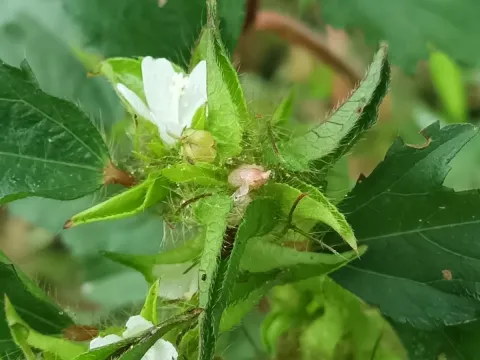
Malachra
Malachra
Malachra is a genus of plants belonging to the Malvaceae family, widely recognized for its potential as a fiber-producing crop. It encompasses several species that have historically been utilized for their strong bast fibers.
What the section contains

Malachra
Originating from tropical regions of the Americas, Malachra thrives in warm, humid climates. It requires consistent temperatures throughout its growing season and is highly sensitive to cold weather and frost.
The crop prefers well-drained, fertile soils with neutral to slightly acidic pH levels. Adequate moisture is critical during the initial stages of establishment to ensure robust stem development and biomass production.
Agronomic practices focus on high-density planting, which encourages the plant to grow tall, slender stems with minimal branching. This configuration is essential for maximizing the yield and quality of the extracted fiber.
Effective weed management during the first few weeks is crucial, as the crop is initially slow-growing. Once the canopy closes, Malachra typically outcompetes most weeds due to its rapid vertical growth.
The primary economic output of Malachra is its bast fiber, which is comparable in quality to kenaf or jute. It is utilized in the textile industry for manufacturing ropes, twines, and coarse industrial fabrics.
Yield performance is heavily dependent on nutrient availability, particularly nitrogen, which promotes vegetative growth. Optimized irrigation regimes can significantly boost the overall green mass production.
Harvesting is typically performed before the plants begin to lignify excessively, ensuring that the fibers remain flexible and have higher tensile strength during the extraction process.
The processing of stalks involves retting, similar to other bast fibers, to separate the fibers from the woody core. This process requires precise control to prevent fiber degradation.
Aside from fiber, research into the plant's secondary metabolites and potential medicinal properties continues, suggesting that Malachra could have a broader impact beyond simple fiber production.