
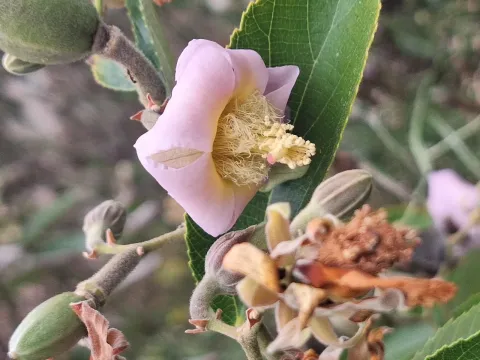
Luehea
Luehea
Luehea is a genus of flowering plants in the mallow family, Malvaceae. These tropical trees are native to Central and South America, where they serve as vital components of local forests and secondary vegetation zones.
What the section contains


Luehea
The plant thrives in regions with tropical climates, requiring consistent temperatures and well-distributed rainfall. It prefers deep, well-drained soils that allow for rapid root expansion and healthy development of the tree structure.
From an agricultural standpoint, Luehea is utilized for both reforestation efforts and the production of wood. It is often found in agroforestry systems where it provides shade for smaller crops while yielding high-quality timber.
Botanically, trees of this genus are recognized by their characteristic simple leaves and showy flowers that attract various pollinators. The propagation of these trees typically relies on seed dispersal mechanisms common to tropical ecosystems.
Cultivation practices involve selecting optimal spacing to allow for crown development, as these trees tend to grow into canopy-forming specimens that require significant overhead space to reach full maturity.
Luehea species are susceptible to a variety of fungal pathogens, particularly those that thrive in high-humidity environments. Leaf spot diseases and trunk decays are the most common issues reported in dense plantings.
Insects that target the bark and phloem represent a significant threat to young saplings. Integrated pest management strategies are advised to maintain the health of the stands during the initial growth stages.
Proper drainage is the primary defense against root-related problems. If the soil remains saturated for extended periods, the risk of root rot increases significantly, potentially leading to tree mortality.
Maintenance routines should include the removal of dead or infested branches to prevent the spread of diseases. Ensuring air circulation within the plantation area significantly lowers the humidity around the trunks.
Frequent field inspections are necessary, especially during the transition between wet and dry seasons, when shifts in microclimates can favor the rapid reproduction of opportunistic pests and diseases.