
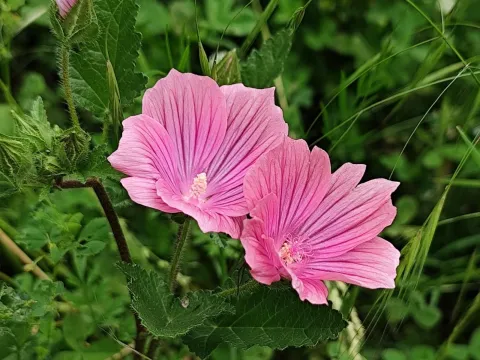
Malope
Malope
Malope is a sun-loving annual that requires warm conditions, making it ideal for direct sowing in late spring once all danger of frost has passed.
What the section contains

Malope
Seeds are typically sown at a depth of 1 to 2 centimeters in well-prepared soil, ensuring they have enough contact with the earth to initiate germination.
For gardeners in cooler regions, starting Malope indoors in pots during early spring can give the plants a head start and ensure earlier blooming.
Thinning is a crucial step when seedlings reach a height of 5-10 centimeters, providing them with the necessary space of about 35 centimeters to branch out.
Successful germination depends on keeping the seedbed consistently moist until the first true leaves emerge, avoiding both drying out and waterlogging.
The plant thrives in full sun exposure, which is essential for producing the sturdy stems and the characteristic vibrant blooms associated with this genus.
Soil quality should be fertile, well-draining, and slightly neutral to alkaline to allow the root system to establish without the threat of anaerobic conditions.
While the plant displays decent resilience, regular irrigation is advised during peak summer temperatures to prevent wilting and maintain a healthy appearance.
Application of a balanced liquid fertilizer during the initial growth phase and at the start of blooming will significantly improve the overall flower display.
Sheltering the plants from strong, gusty winds is beneficial, as the taller varieties might otherwise require staking to remain upright during heavy rainfall.
Powdery mildew is the most common fungal issue for Malope, usually appearing during hot and humid spells when airflow around the foliage is restricted.
Root rot can occur if the soil remains excessively wet for long periods, leading to the yellowing of leaves and eventual collapse of the entire plant.
Aphids and spider mites are typical garden pests that may target the soft terminal growth, necessitating periodic checks and appropriate insecticidal soap treatments.
Maintaining good spacing between plants is a highly effective cultural practice to reduce the humidity levels and prevent the spread of fungal spores.
Regular sanitation, such as removing fallen leaves and dying stems, is essential to keep the planting site free from potential overwintering pathogens.
Malope flowers are excellent for cut arrangements, and for the longest vase life, they should be harvested when the buds are just beginning to open.
Seed harvesting should be performed when the pods turn brown and start to split, indicating that the seeds have reached full maturity on the plant.
Once collected, the seeds should be spread out to dry in a cool, dark, and well-ventilated area to prevent molding before they are stored for the next season.
Storing seeds in paper bags or envelopes helps maintain the correct moisture levels, ensuring high viability for the following planting year.
When selecting seeds for future use, it is best to pick them from the strongest and most color-vibrant plants to perpetuate the best characteristics.